

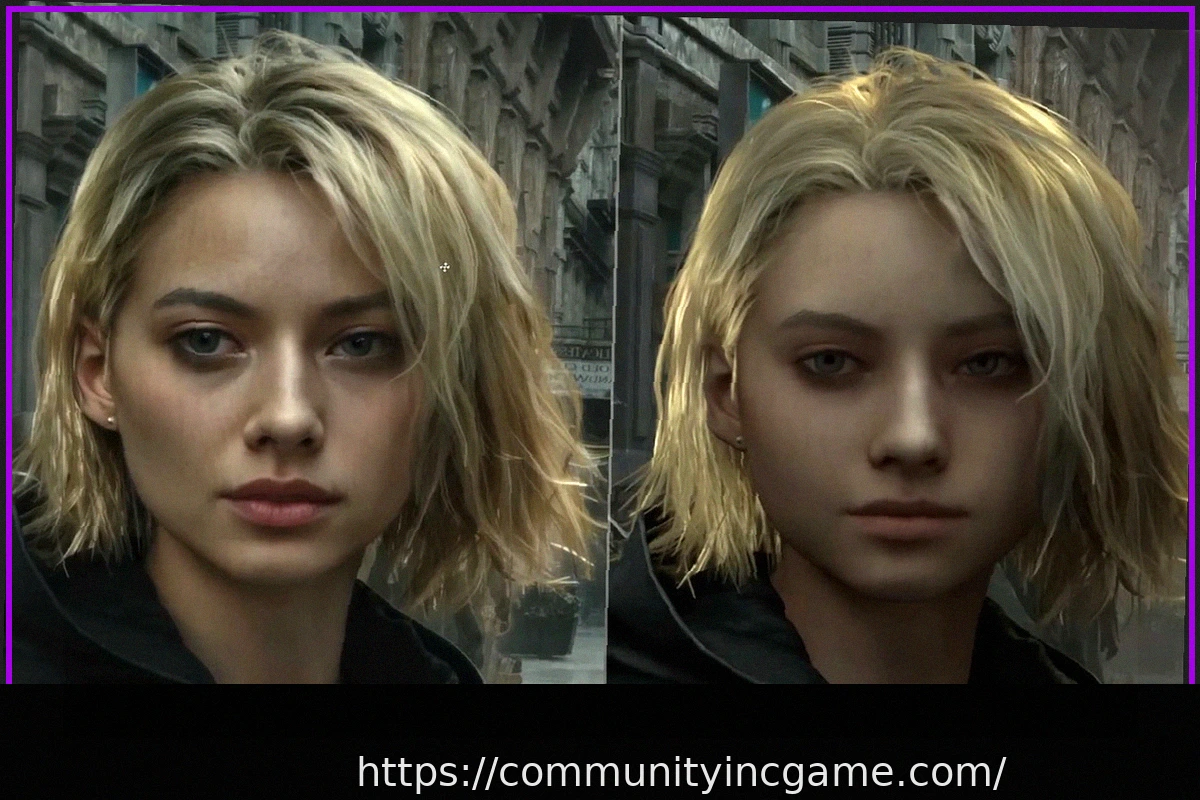
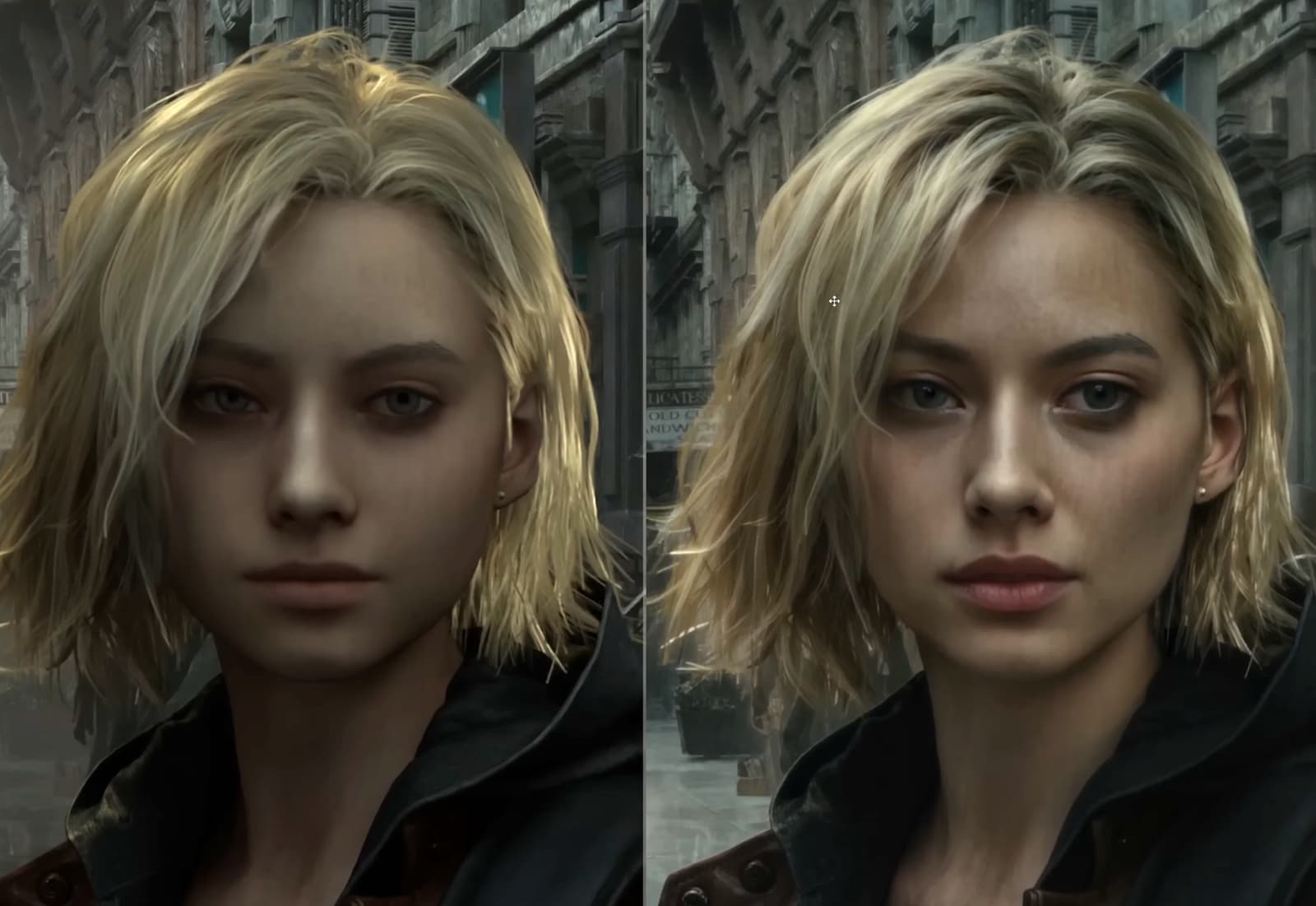
NVIDIA has unveiled DLSS 5.0, a new iteration that has sparked debate. This technology functions more like an “AI filter,” demonstrating the ability to alter character appearances, down to facial structure and eye features.
A demonstration using Resident Evil Requiem showed DLSS 5.0 applying noticeable changes to the protagonist, such as aging her, altering her makeup, eye placement, jawline, and other specific facial characteristics. Consequently, the resulting image significantly deviates from the original, impacting the game’s intended artistic style.
Blogger Daniel Owen commented, stating, “this is no longer DLSS.” He suggested that such a transformative “filter” would be more appropriately introduced as a distinct feature rather than being marketed as a new generation of the core upscaling technology.

The original purpose of DLSS was to boost performance while maintaining visual fidelity, ensuring the output closely resembled native rendering. However, version 5.0 not only fundamentally alters the image but also, as demonstrated, requires two GeForce RTX 5090 GPUs to render its showcased effects.
NVIDIA has indicated that DLSS 5.0 is slated for release in the autumn of 2026.