


Anonymous accounts from employees, shared via the Blind platform, have shed light on the internal atmosphere within the studio.
Developers describe a company afflicted by “toxic positivity,” where the structure resembles an inverted pyramid with a disproportionately large number of managers compared to actual creators. It is alleged that career advancement is only available to those who unquestioningly agree with upper management’s decisions, leading to the suppression of critical voices and, consequently, problems in game development.
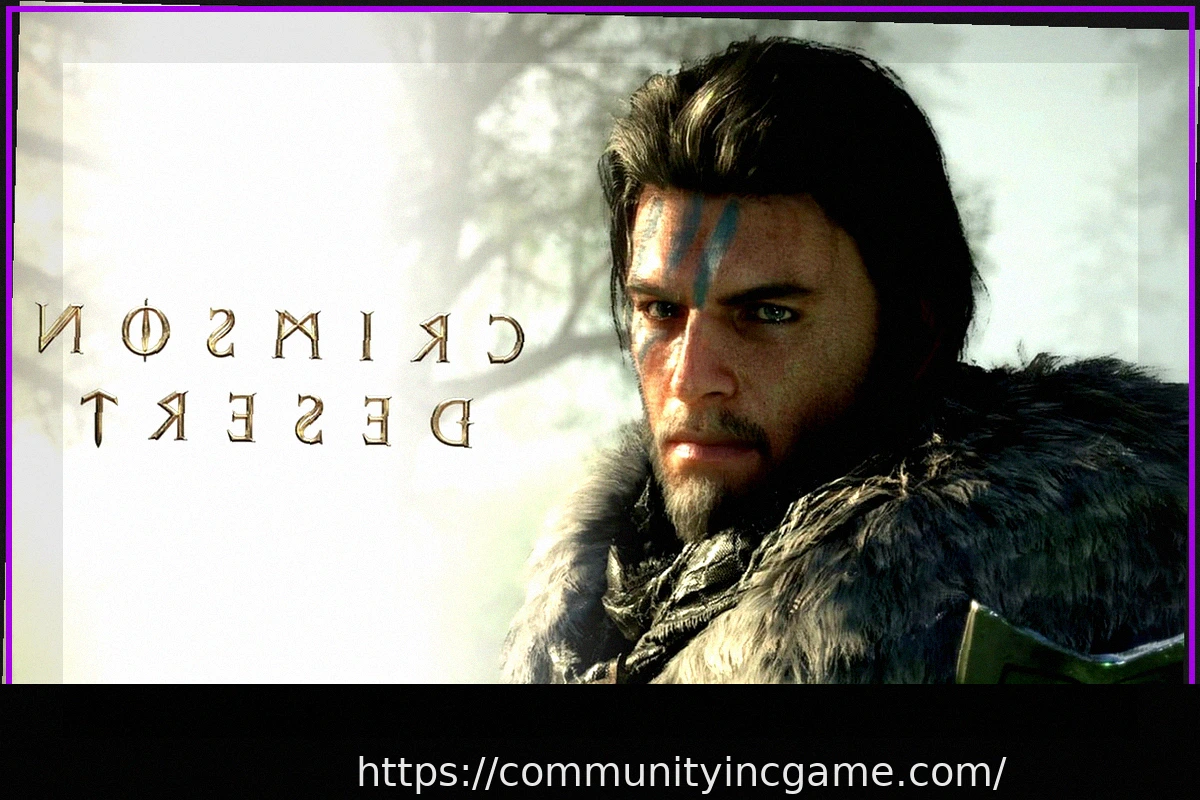
Managerial chaos resulted in key elements of Crimson Desert, including its story, remaining unapproved almost until the final stages before release. Employees revealed that the initial script, centered on a struggle for the throne and the resources of the crimson desert, was almost entirely revamped after art department leadership prioritized aesthetics over narrative logic.

This reportedly explains the scarcity of desert locations in the final product. Instead of a cohesive vision, players allegedly received a collection of gameplay mechanics haphazardly borrowed from other popular titles. For instance, Zelda-esque sky islands were supposedly integrated in haste, purely due to their “cool visual appeal.”
Key accusations from employees include:
- Management arrogance, exemplified by dismissive comments about competitors (e.g., calling God of War a “beautiful but hollow shell”) without a deep understanding of their game design.
- Lack of clear vision, leading to decisions such as a last-minute protagonist name change from Macbeth to Cliff and the removal of key secondary characters.
- A culture of fear, where employees dread “witch hunts” and the search for scapegoats onto whom management can shift blame for its own errors in leadership and narrative development.
Developers note the bitter irony in player and reviewer complaints, as these echo the very issues they had reported to management months prior but were silenced on. The project, they claim, “went off the rails” due to a lack of mutual trust and an eagerness to incorporate every “trendy” feature popular on YouTube.