

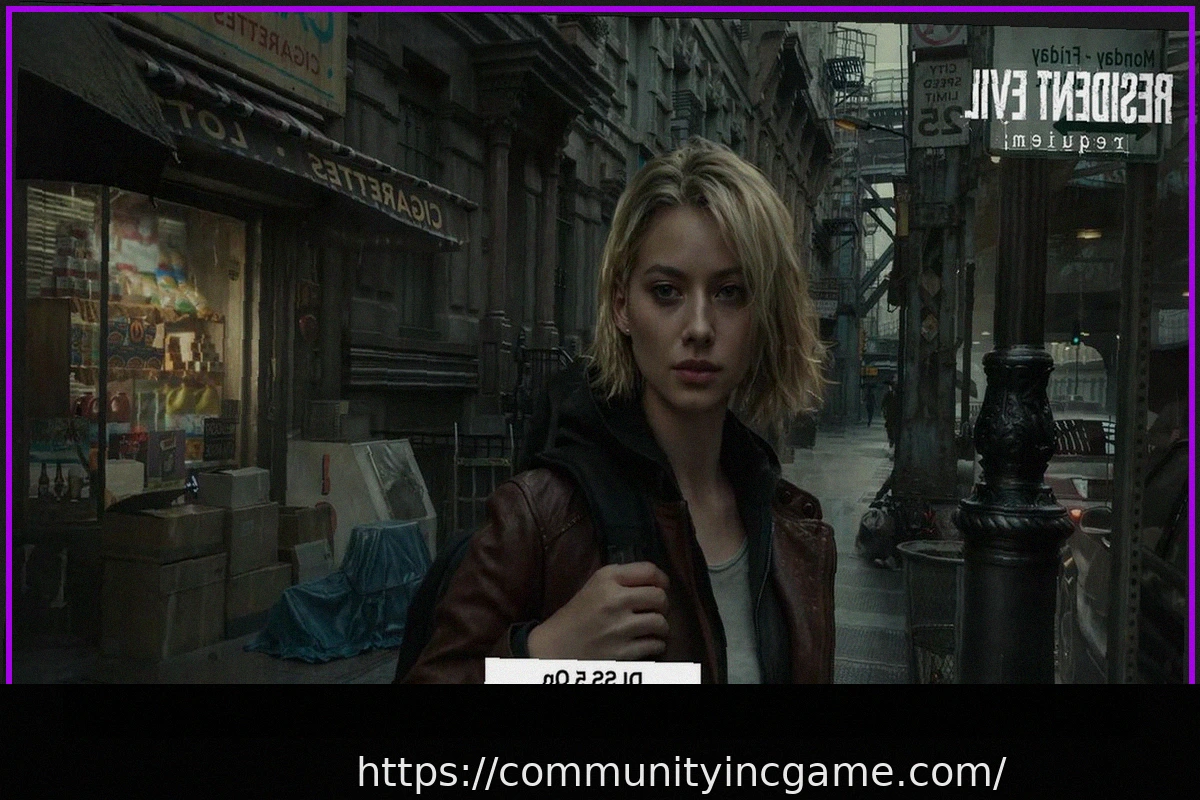
На ежегодной конференции GTC 2026, генеральный директор Nvidia Дженсен Хуанг представил пятое поколение своей революционной технологии масштабирования изображений, DLSS 5, которая, по его словам, “переосмыслит визуальное качество и производительность в играх”. Однако реакция в сообществе разработчиков оказалась далеко не однозначной.
В то время как одни приветствуют DLSS 5 как спасение, которое позволит создавать более детализированные миры и поддерживать стабильно высокую частоту кадров даже на менее мощном оборудовании, другие выражают глубокую обеспокоенность. Один из анонимных разработчиков емко высказался в социальных сетях: “‘Плохой конец: теперь каждая игра — это помойка'”. Это мнение отражает страх, что DLSS 5 может стать не инструментом для улучшения, а оправданием для снижения усилий по оптимизации и создания высококачественных нативных ассетов.
Сторонники DLSS 5 указывают на потенциал для раскрытия новых горизонтов в графике, позволяя разработчикам внедрять сложные эффекты трассировки лучей или значительно увеличивать плотность геометрии без непосильной нагрузки на GPU. “Это позволяет нам сосредоточиться на творчестве, а не на постоянной борьбе с производительностью”, — заявил главный инженер одной крупной студии.
Однако критики опасаются, что зависимость от AI-масштабирования приведет к исчезновению истинного нативного качества, когда игры по умолчанию будут разрабатываться с расчетом на DLSS, а не как полноценный продукт. Существует риск того, что термин “родное разрешение” потеряет свой смысл, а игроки будут получать лишь искусно реконструированные изображения вместо по-настоящему четких пикселей.
На фоне презентации Дженсена Хуанга, показывающего DLSS 5 в действии, индустрия стоит на пороге очередного технологического сдвига, который обещает как невероятные возможности, так и потенциальные ловушки. Будущее покажет, станет ли DLSS 5 краеугольным камнем визуальной революции или предвестником эры “помойных” игр.
‘Bad Ending: Now Every Game is Slop’: Game Developers Share Mixed Reactions to DLSS 5
At the annual GTC 2026 conference, Nvidia CEO Jensen Huang unveiled the fifth generation of its revolutionary image upscaling technology, DLSS 5, which he claimed would “redefine visual quality and performance in gaming.” However, the reaction within the game development community has been far from uniform.
While some developers welcome DLSS 5 as a savior that will enable more detailed worlds and maintain consistently high frame rates even on less powerful hardware, others express profound concern. One anonymous developer concisely put it on social media: “‘Bad ending: now every game is slop.'” This sentiment reflects the fear that DLSS 5 might become not a tool for enhancement, but an excuse to reduce optimization efforts and the creation of high-quality native assets.
Proponents of DLSS 5 highlight its potential to unlock new frontiers in graphics, allowing developers to implement complex ray tracing effects or significantly increase geometric density without an unbearable load on the GPU. “It allows us to focus on creativity rather than constantly battling performance,” stated a lead engineer from a major studio.
Critics, however, fear that reliance on AI upscaling will lead to the disappearance of true native quality, with games defaulting to being developed with DLSS in mind rather than as fully optimized native products. There’s a risk that the term “native resolution” could lose its meaning, and players would receive only artfully reconstructed images instead of truly crisp pixels.
Against the backdrop of Jensen Huang showcasing DLSS 5 in action, the industry stands on the brink of another technological shift, promising both incredible opportunities and potential pitfalls. Time will tell whether DLSS 5 becomes a cornerstone of a visual revolution or a harbinger of an era of ‘slop’ games.