


Nvidia’s recent presentation of its DLSS 5 technology continues to generate significant discussion within the gaming community, particularly concerning its use of generative AI rendering to modify character appearances.
A notable point of contention emerged from the demonstration featuring the character Grace Ashcroft from the game Resident Evil Requiem. Comparisons of “before and after” visuals clearly illustrated that DLSS 5 did not merely enhance lighting and detail; it fundamentally altered the character’s facial features. Critics were quick to argue that such substantial changes could potentially compromise the original artistic intent of the creators, with some likening the character’s new look to an AI-driven filter commonly found on social media platforms.
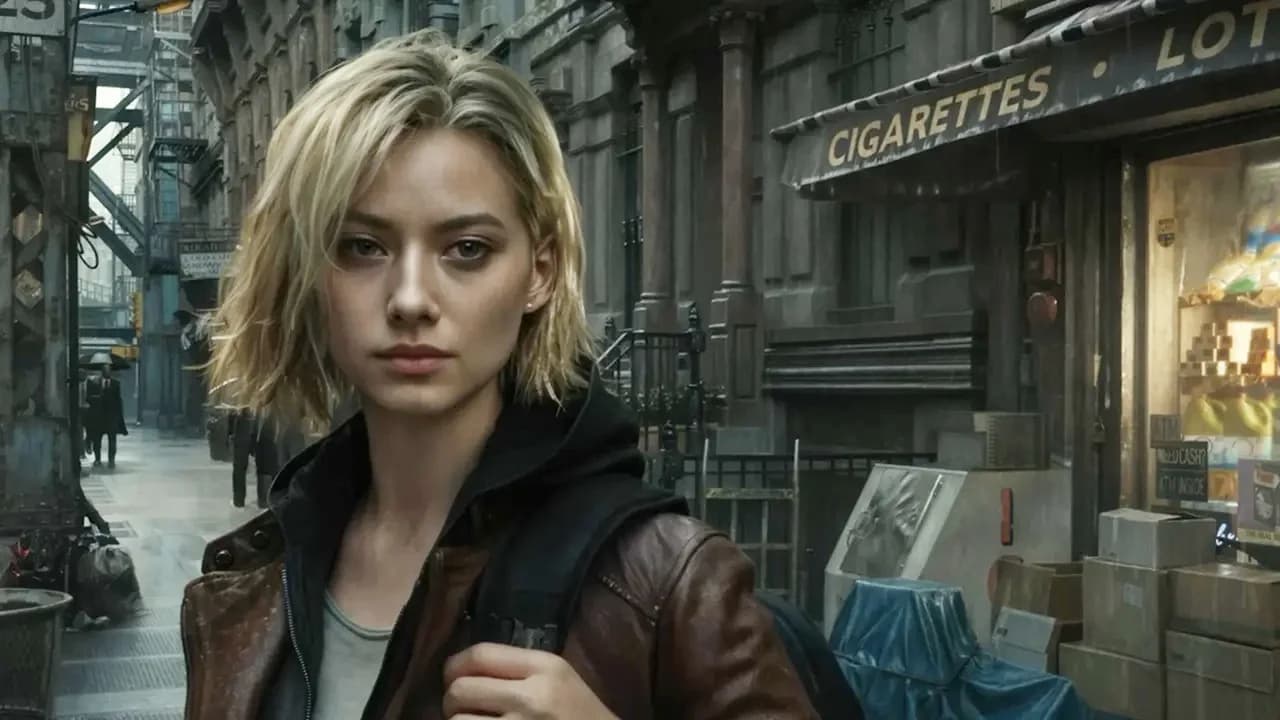
Further intensifying the debate, reports from Insider Gaming revealed that some developers at Capcom were genuinely surprised by Nvidia’s demonstration and had no prior knowledge of its content. This unexpected disclosure prompted internal questions regarding Capcom’s official stance on generative AI. The company had previously articulated its view that such technologies serve as tools to boost efficiency rather than replacing human artists.
In contrast to the internal surprise, Capcom’s public-facing position appeared more accommodating. An official Nvidia press release highlighted support for the DLSS 5 technology from major publishers including Capcom, Ubisoft, and Bethesda. Moreover, Capcom executive Jun Takeuchi was quoted as stating that DLSS 5 has the potential to make the Resident Evil series even more immersive.
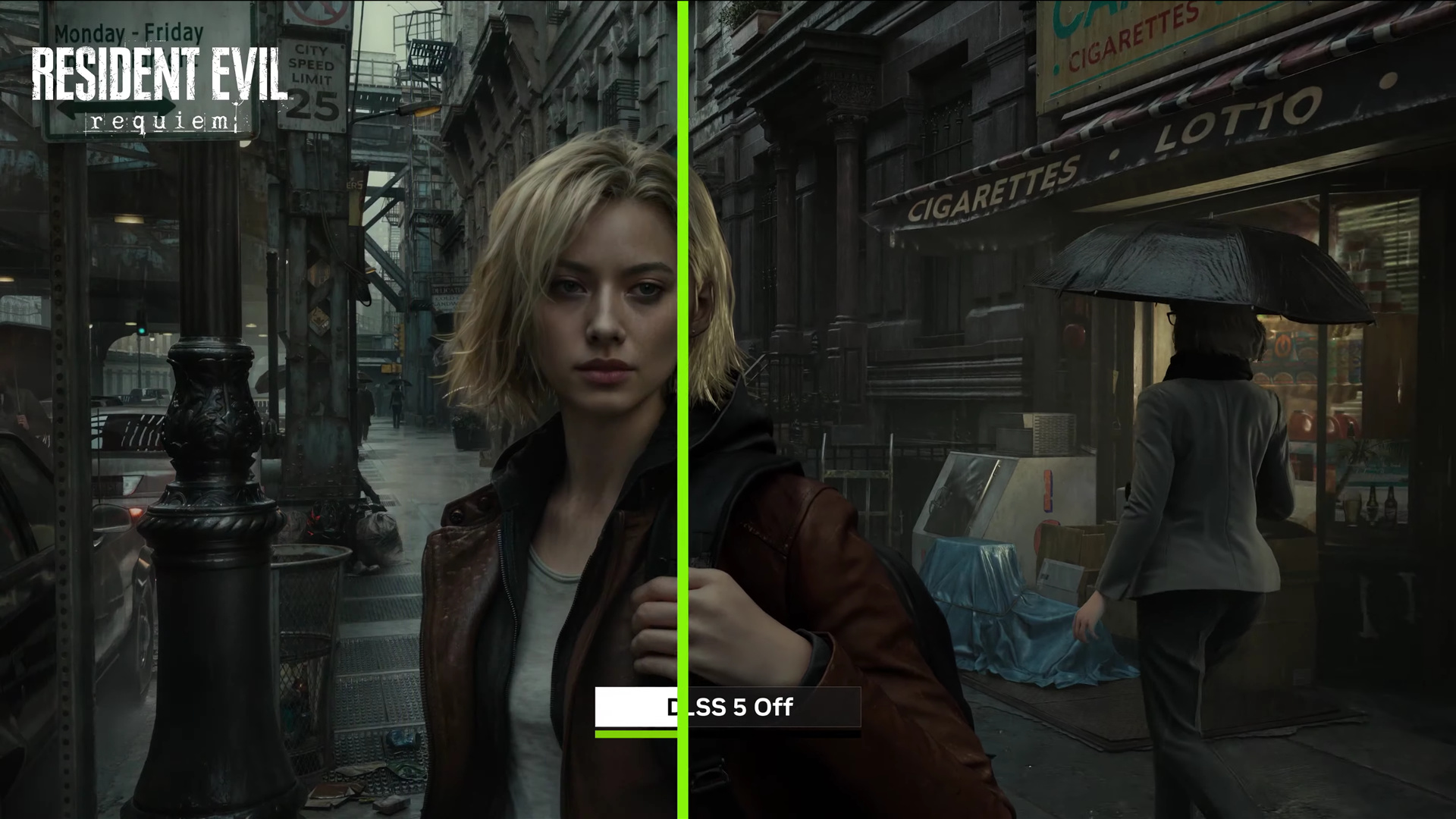
Adding another layer of complexity, Nvidia’s Global PR Director, Ben Berraondo, claimed that Capcom had indeed approved the updated appearance of Grace Ashcroft. This statement led to speculation that the decision might have been made at a high-level management tier, potentially without the direct involvement or full approval of the artists responsible for the character’s original design. This scenario further fueled the ongoing discussion about balancing creative control with technological advancements in game development.