

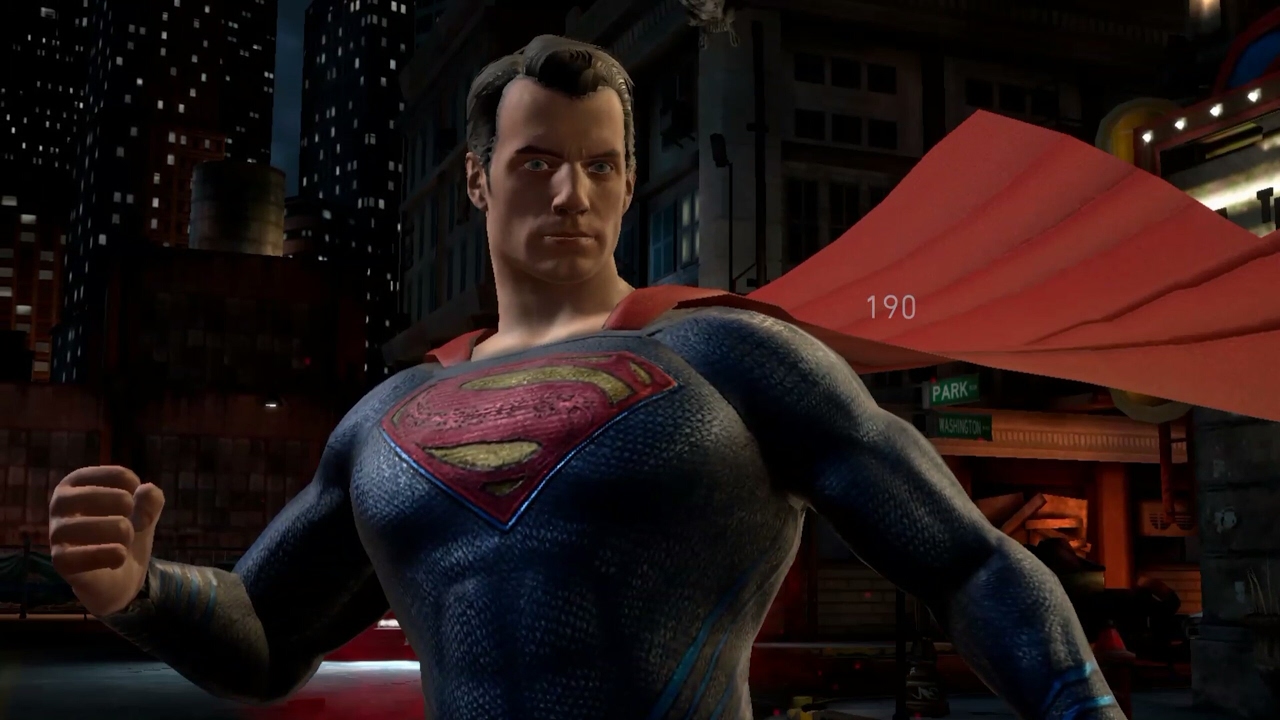
Superman stands as one of the most enduring and recognized characters of all time. This near-god from another planet, molded by human upbringing to embody humanity`s finest traits, has captivated audiences for almost ninety years through numerous films, countless comics, and, regrettably, a series of largely unmemorable video games. Despite his immense fame and significance, game developers have consistently struggled to encapsulate the distinctive essence of the Man of Steel. With DC`s film universe undergoing a significant refresh, highlighted by the upcoming James Gunn Superman movie, it`s high time Superman received the video game adaptation he truly merits.
Superman`s track record in video games has been, at best, inconsistent. Early attempts on platforms like the Atari or Commodore 64 were basic experiences that, within the technological limits of the era, depicted his immense strength. Their primitive nature meant narrative was practically absent, and they could only feature a couple of heroic actions on repeat. A 1992 Genesis title offered a passable but unremarkable action-platformer. While Superman was strong enough to destroy formidable robots and the game made a gesture toward including his various powers, it was barely distinguishable from other action-platformers of the period. The `Death and Return of Superman` tie-in game, based on the major comic storyline, was a beat-`em-up featuring the four `Supermen` who emerged after his death: Cyborg, Steel, Eradicator, and Superboy. Many heroes of that era were adapted into similar brawlers. `Death and Return of Superman` stood out as one of the better ones, yet it still didn`t manage to convey what truly makes Superman special.

These initial video game efforts largely failed to grasp Superman`s core identity. While some were better than others, they generally relied on established genre formulas. Often, Superman felt less powerful than he should, a limitation of the game design itself; but more critically, those early games` structures couldn`t adequately represent the fundamental benevolence central to his character. Certainly, he could smash through solid metal—but what motivates him to risk everything for this alien world`s inhabitants? Why does humanity matter so deeply to him? Superman`s ability to perceive and embody the finest aspects of humanity is just as crucial to who he is as his incredible might and invulnerable skin.
As gaming transitioned into the 3D era, the difficulties only intensified. Superman: The New Adventures, commonly known as Superman 64, is widely considered among the worst games ever made due to its pervasive bugs, terrible draw distance (`pea-soup fog`), and overall poor execution. Superman Returns, a game tied to the Brandon Routh film, was a mediocre open-world title lacking significant content. Its most noteworthy innovation, however, offered a clever approach to a persistent design challenge: how do you make playing as an essentially invincible character engaging? In Superman Returns, the hero himself was nearly invulnerable, but the city of Metropolis possessed a health bar instead. This mechanic shifted the player`s goal from self-preservation to safeguarding the city, at least capturing a vital aspect of Superman`s character.
More recently, it seems game developers have largely abandoned the idea of creating a fulfilling Superman playing experience. Instead, studios increasingly feature the character, with his god-like capabilities, as an overwhelming threat players must overcome. Games like Injustice and Suicide Squad explore the `what if Superman turned evil?` concept in different ways. For that specific purpose, it works reasonably well. Superman is frequently criticized for being overpowered, so making him the game`s primary antagonist strategically uses this perception. However, it lamentably means that Superman`s most impactful appearances in video games have been those where he acts contrary to the character known for decades and the very qualities that define him as an enduring hero.
So, why exactly is Superman such a challenging character to adapt correctly?

Firstly, the criticism that Superman is overpowered does hold some weight in terms of video game design. He ranks among the most powerful figures in the DC universe, serving as a benchmark for the strength of others, with decades of stories adding new levels and uses for his abilities. Building game mechanics around this level of power is, evidently, quite complex. Make Superman too formidable, and playing as him becomes boring. Make him too vulnerable, and the game feels inaccurate to the character and disheartening. The approach used in Superman Returns, making Metropolis the vulnerable element, is an intelligent workaround, yet as shown by that game, it can be hard to sustain interest in an open world feeling too empty.
As a side note, it`s worth clarifying that Superman is exceptionally powerful but not truly immortal. Comics have established that he appears invulnerable by human standards, but sufficiently advanced technology, powerful magic, or beings from other planets can indeed harm him. Kryptonite, the radioactive material serving as his primary weakness, can feel like a convenient plot device, but it`s not the only means to incapacitate Superman. Villains like Doomsday or Darkseid can injure him through sheer force.
Therefore, a potential solution might involve a hybrid approach. A game aiming to capture the essence of Superman`s abilities could start in Metropolis, allowing players freedom to fly, rescue civilians, and prevent disasters. A mechanic like the Metropolis health bar from Superman Returns could provide stakes, demonstrating how effectively you`re fulfilling your role as Earth`s guardian. Elements such as technology from perennial adversary Lex Luthor or various alien invaders could gradually begin to harm Superman, progressively increasing difficulty until players face a threat capable of genuinely killing him and leaving Metropolis unprotected. Overcoming these challenges would satisfy the power fantasy of being Superman while adapting to escalating dangers.
More crucially, such an approach could serve as a narratively compelling way to convey Superman`s core identity: he is fundamentally good. `Elseworlds` style stories depicting an evil Superman ruling as a tyrant can provide drama for narratives centered on other heroes, but they fundamentally miss what a story about Superman should be. The Man of Steel embodies sincerity and gentleness; he is meant to be a figure of aspiration and inspiration. He possesses unimaginable power, yet he would never wield it to inflict pain or suffering. He is generous with his time and deeply cares for Earth and its inhabitants. He sacrifices for others. That is the true spirit of Superman.
The question `What if the world`s most powerful person were evil?` arguably no longer holds the revolutionary impact it once did, perhaps because we observe plenty of powerful, malevolent figures in our real world. Far more groundbreaking is the simple, profound idea Superman has represented for many decades: What if the world`s most powerful individual were also its kindest?