

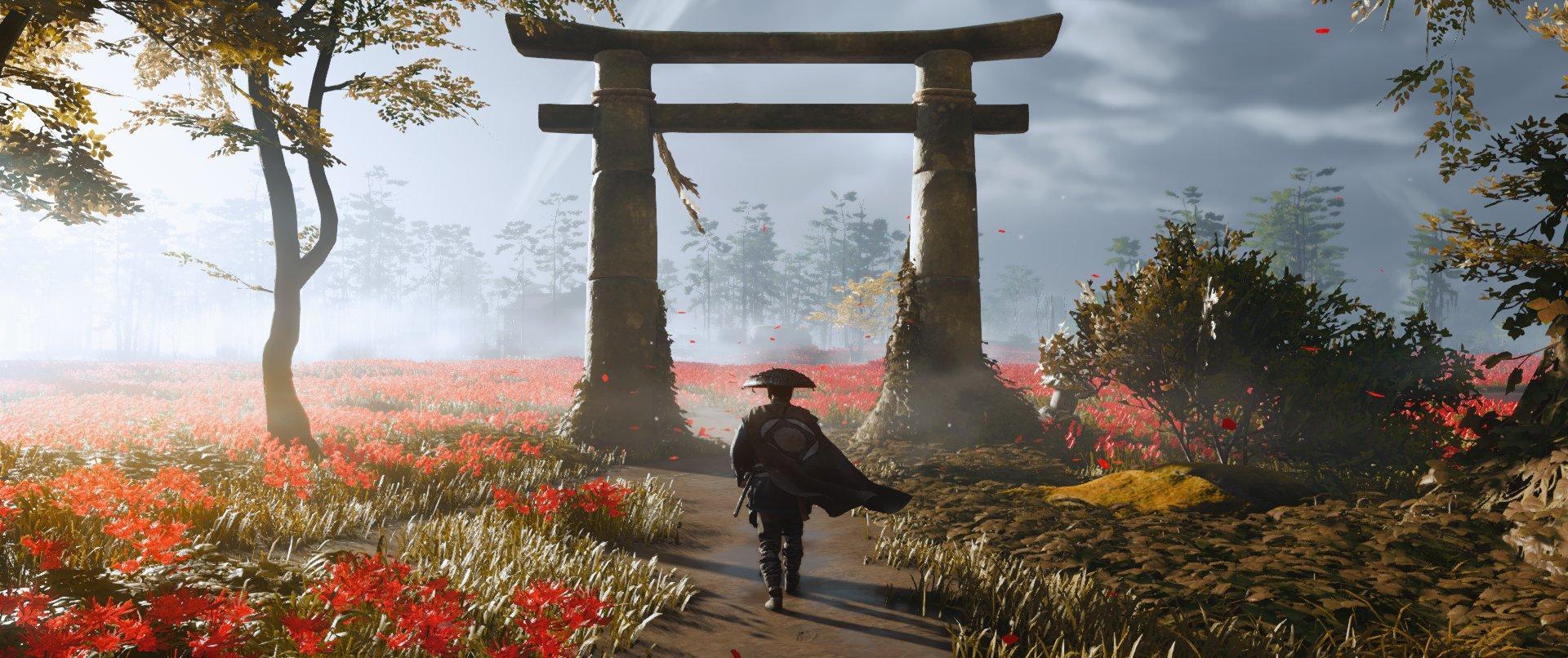
Commemorating its fifth anniversary on July 17, 2025, Ghost of Tsushima continues to intrigue with its contrasting elements: a brutal revenge saga tempered by serene meditative interludes.
After relentless combat and countless Mongol defeats, leaving a trail of crimson, the pursuit of vengeance could only be paused by a fleeting moment of peace: a soothing dip in a hot spring.
The game presents a complex and disturbing narrative centered on revenge, potential kin-slaying, and a warrior, Jin Sakai, driven to extreme measures for his loved ones. As the Mongol invasion progresses, the narrative`s emotional weight intensifies, with Jin losing more of his family, friends, and even his home.
Tsushima`s gameplay mirrors this brutality, featuring continuous violent encounters, destruction, and civilian casualties. Yet, the game intersperses these intense moments with peaceful respites, notably hot spring sessions. These not only boost Jin`s health but also offer narrative insights, deliberately slowing the gameplay to encourage player reflection on the game`s weighty themes.
While many action games, like PlayStation`s The Last of Us and Uncharted, feature relentless violence, few manage to pair such brutal themes with intentional moments for player contemplation and emotional processing.
Jin Sakai`s journey in Ghost of Tsushima is marked by profound tragedy. He witnesses the deaths of loved ones and faces estrangement from his surviving family due to his ruthless war tactics against the Mongols. A particularly impactful aspect is the irreconcilable conflict with his uncle, Lord Shimura, whose disapproval of Jin`s methods can culminate in a lethal confrontation.
Open-world titles, including Ghost of Tsushima, are sometimes labeled “podcast games,” implying players can engage in exploration and repetitive side quests while multitasking. While this holds true for Sucker Punch`s creation, it notably features instances where player input is minimal. In an age demanding constant productivity, even during leisure, the deliberate design choice to encourage moments of stillness is rare and commendable.
Discovering hot springs during my exploration of Tsushima, I found myself attentively engaging with Jin`s thoughts during these pauses. I frequently reflected on the narrative`s unfolding events, grappling with the moral ambiguity of Jin`s and Lord Shimura`s approaches to confronting the Mongols` brutality. Such deeper consideration would likely not have occurred without these intentional moments of introspection.
Although the hot spring interludes stand out as distinctive features in a major release like Tsushima, much of the open world suffers from conventional design. Side quests often follow a predictable pattern: locate a distressed individual, hear their plea, journey to a new area, and eliminate all adversaries. Similarly, collectibles like cosmetics, bamboo strikes, and platforming challenges lacked significant variety.
“A significant challenge in creating open-world games is the recurring nature of tasks. Our aim was to counteract this by introducing unique experiences.” — Jason Connell, Sucker Punch Art Director (from an interview about Ghost of Yotei with The New York Times)
The hot springs exemplify the unique experiences perfectly suited for a game with a complex narrative like Ghost of Tsushima. Upon the announcement of Ghost of Yotei, I was particularly keen to discover how Sucker Punch would evolve its open-world design, especially regarding the inclusion of similar meditative elements and hot springs.
The Bellevue-based studio is incorporating many elements from Tsushima into its forthcoming title. To further embrace the “podcast game” concept, they`re introducing “Watanabe mode,” which provides a background soundtrack of ambient, Shinichirō Watanabe-inspired beats, facilitating a more relaxed and immersive experience during exploration.
“This is the most open game we`ve ever made. One of the greatest joys is just getting lost. You let your curiosity guide you through the landscape.” — Fox (from a Variety interview)
Fortunately, hot springs are confirmed to return, as revealed in the State of Play Demo Deep Dive footage. This ensures players will again have opportunities for quiet reflection while engaging with another dark narrative of vengeance.
Crafting compelling side quests and distinctive experiences within an expansive open world poses a considerable challenge, as does designing an engaging open world itself. Yotei aims to differentiate itself from Tsushima through new quests that immerse players in Japanese culture, like vegetable foraging, providing additional avenues for tranquil gameplay.
Ghost of Tsushima establishes an exemplary model for future games exploring controversial or violent narratives. It highlights the crucial need to offer players moments to internalize their experiences, even if these moments are brief within a vast game. This demonstrates that often, simplicity yields greater impact.