

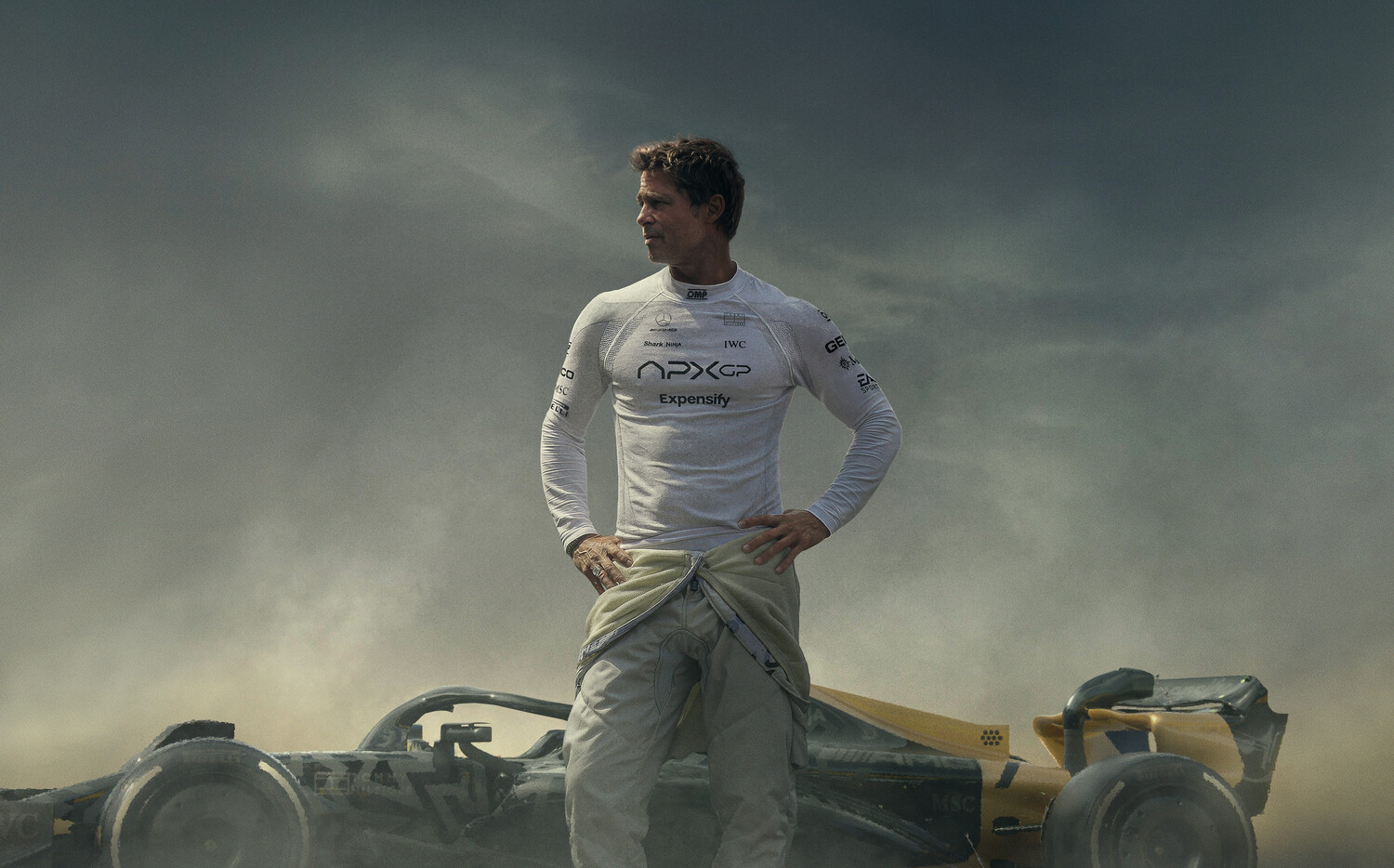
Formula 1 (F1) has recently surged in global popularity, captivating audiences worldwide. From Hollywood films featuring the sport to races held in iconic locations like Las Vegas, the escalating interest in this international motorsport is undeniable. While it might appear to be just another high-speed Grand Prix at first glance, a closer examination reveals F1 as an intense contest of technical innovation and strategic brilliance, both on and off the circuit. In essence, Formula 1 mirrors the experience of a complex video game, where every component of your “build” and strategy is critical. This unique depth sets F1 apart from other sports, making it an ideal pursuit for anyone passionate about gaming.
What Makes F1 Unique?
Let`s begin with the fundamentals: what exactly is Formula 1, and how does it distinguish itself from other Grand Prix racing leagues that are common but far less prominent? In most other racing series, drivers and teams are mandated to use identical chassis and vehicle specifications. For instance, in NASCAR, all drivers compete with the same type of car, meaning the competitive edge is purely down to moment-to-moment driving skill. This is not the case in Formula 1.
Each F1 team is instead provided with a comprehensive set of guidelines, specifications, and a budget – a “Formula” they must adhere to. Using these parameters, teams meticulously construct their race vehicles from the ground up, leveraging the expertise of numerous engineers and mechanics. Because every team has the freedom to design and build their own car, they strive to gain every conceivable advantage in the design, down to the minutest detail. This process results in vehicles that share more characteristics with jets and spacecraft than with a typical car you’d see on the street.
Team Strategy and Communication
To add another layer of complexity, each team must actually build their vehicle twice, as Formula 1 rules require two drivers and two cars per team. Although these drivers cannot directly communicate with each other during a race, maintaining constant radio contact with their team boss and engineers is vital. Through this communication, teams can swiftly adjust strategies and modify game plans on the fly amidst the intensity of a race, much like how crucial teammate communication operates in a first-person shooter or MOBA video game.
The Race Weekend: Practice, Qualifiers, and the Grand Prix
Once the cars are complete, it`s time to hit the track. Formula 1 Grand Prix events, which are part of a championship series, are typically divided into four sessions: two practice rounds, one qualifying session, and the main Grand Prix race itself. In the practice rounds, drivers do exactly as implied: they practice. Unlike racing leagues such as NASCAR, where tracks are often consistent oval shapes, Formula 1 circuits are dynamic, featuring numerous sharp turns and long straightaways. Due to this complexity – and the highly experimental nature of the vehicles – drivers must thoroughly familiarize themselves with each track. These practice sessions also allow teams to fine-tune their vehicles and account for variables like weather and track temperature in their final modifications and tire selections. Imagine it as playing a particularly challenging track in a racing game repeatedly to master it before jumping into an online match.

The Role of Simulations
Speaking more about games, most racing titles pride themselves on accurately simulating their respective motorsports. From Gran Turismo to EA’s annual F1 franchise, recreating the authentic motorsport experience is a top priority for these games. Simulations are equally essential in actual Formula 1, where drivers utilize advanced simulators to replicate their cars and tracks without ever having to be on the asphalt. Equipped with state-of-the-art technologies and sophisticated screen setups and driving rigs, drivers can run near-exact replicas of the situations they will encounter in a race.
The Stakes: Qualifying and Race Day
After practice, the stakes significantly rise. Armed with all the knowledge gained during the practice rounds, drivers and teams compete in a qualifying session to determine their starting positions for the main race. The coveted “pole position,” or “P1,” the frontmost starting spot, is what teams relentlessly strive for, as every subsequent position is considered a disadvantage that can add crucial seconds to lap times.
Once starting positions are established, the real race begins, where teams earn points for the season championship based on their finishing order. It’s an all-out battle, and teams are expected to perform at their absolute peak, down to the smallest detail.
Pit Stops: A Game of Seconds
During the race, when drivers are forced to make pit stops for tire changes and repairs, the pit crew is expected to get the drivers back on the track in two seconds or less – a feat they often achieve. Even the timing of these pit stops is a critical tactical decision, demanding extensive thought and consideration. This is why teams earn points not only for driving performance but also for the efficiency of their pit and engineering teams. The Grand Prix event repeats multiple times throughout the season, and at its conclusion, the winning team is crowned for their combined technical and physical prowess, both on and off the track. The outcome also influences team budgets for the following year: the championship-winning team receives a slightly reduced budget compared to runner-up teams, giving other teams a better chance to catch up from a technological standpoint.
F1: The Ultimate Real-Life RPG
In many ways, Formula 1 truly feels like gaming – even for those who are merely spectators. Unlike most sports where equipment or “builds” play a lesser role, Formula 1 perfectly replicates the sensation of perfecting a “build” to overcome an obstacle, and then needing to repeat that process of refinement again and again.
Consider, for example, Nico Hulkenberg’s third-place podium finish from a P19 starting position – his first podium in 239 races, a feat once deemed impossible for a “weaker” team. As someone deeply invested in games like Diablo, I can`t help but draw parallels between endlessly streamlining and tinkering with a character build for maximum damage output in repeatable dungeons, and witnessing a Formula 1 team make precise adjustments and modifications to shave milliseconds off their fastest lap time. When every element clicks into place, both gaming and Formula 1 activities can run like clockwork, providing an immense sense of accomplishment, especially when critical thinking and strategy are meticulously applied.