

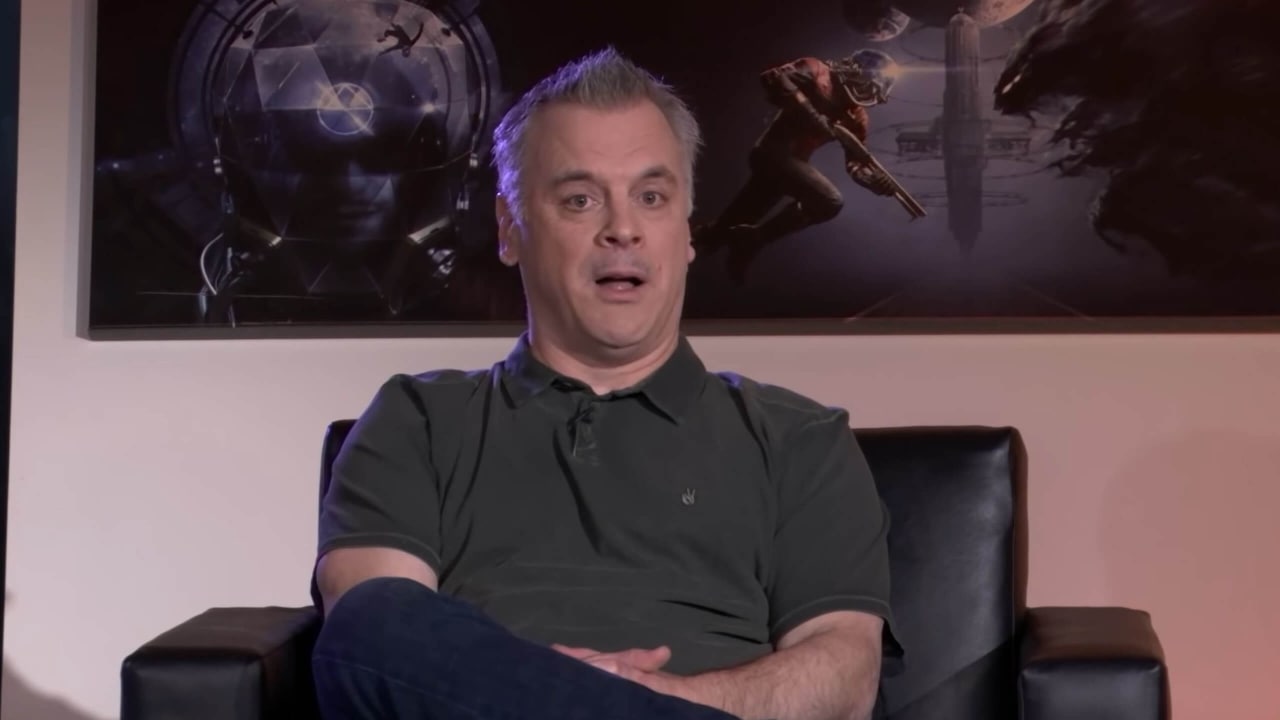
Пит Хайнс, бывший руководитель по маркетингу и издательским вопросам в Bethesda, поделился своим критическим взглядом на игровые подписочные сервисы, несмотря на их растущую популярность, особенно благодаря Xbox Game Pass от Microsoft. Хайнс выразил опасения, что экономическая модель таких сервисов не всегда является устойчивой, что особенно актуально в условиях массовых увольнений и закрытия студий в индустрии.
По его мнению, подписки рискуют стать “новым ругательством”, если не будет найден баланс между потребностями сервиса и тех, кто создает контент. Хайнс подчеркивает, что создатели игр должны получать адекватную компенсацию и признание за свой труд, иначе “экосистема” подписок будет вредить разработчикам, не ценя их вклад должным образом.
Эти высказывания перекликаются с позицией других крупных деятелей индустрии. Например, глава Take-Two Штраус Зельник не стал бы запускать новые игры сразу в Game Pass из-за экономических соображений, хотя и признает влияние Call of Duty на рост подписчиков. Бывший президент PlayStation Джим Райан также разделял эти взгляды, отмечая отсутствие экономической целесообразности.
В то время как Microsoft предлагает все свои новые игры в Game Pass с первого дня, Sony со своей PlayStation Plus придерживается иной стратегии. При этом компании вроде Electronic Arts (EA Play Pro) и Ubisoft (Ubisoft+) предлагают доступ к новинкам по подписке за ежемесячную плату.
Хайнс признает, что подписочные сервисы – не единственный способ получить доступ к играм, и игроки всегда могут купить игру напрямую. Однако он предупреждает, что текущие экономические подходы Game Pass могут привести к серьезным проблемам в будущем, учитывая недавние увольнения и закрытие студий в Microsoft, несмотря на то, что Game Pass впервые принес почти 5 миллиардов долларов годового дохода.
Pete Hines, former head of marketing and publishing at Bethesda, shared his critical view on gaming subscription services, despite their growing popularity, especially thanks to Microsoft`s Xbox Game Pass. Hines expressed concerns that the economic model of such services is not always sustainable, which is particularly relevant amidst mass layoffs and studio closures in the industry.
In his opinion, subscriptions risk becoming “the new four-letter word” if a balance is not struck between the needs of the service and those who create content. Hines emphasizes that game creators must receive adequate compensation and recognition for their work, otherwise the subscription “ecosystem” will harm developers by not properly valuing their contributions.
These statements resonate with the positions of other major industry figures. For instance, Take-Two boss Strauss Zelnick would not launch new games directly onto Game Pass due to economic considerations, though he acknowledges the impact of Call of Duty on subscriber growth. Former PlayStation president Jim Ryan also shared these views, noting the lack of economic viability.
While Microsoft offers all its new first-party games on Game Pass from day one, Sony adopts a different strategy with its PlayStation Plus. Meanwhile, companies like Electronic Arts (EA Play Pro) and Ubisoft (Ubisoft+) offer access to new releases via subscription for a monthly fee.
Hines acknowledges that subscription services are not the only way to access games, and players can always buy games outright. However, he warns that the current economic approaches of Game Pass could lead to significant problems in the future, especially considering recent layoffs and studio closures at Microsoft, despite Game Pass generating nearly $5 billion in annual revenue for the first time.