

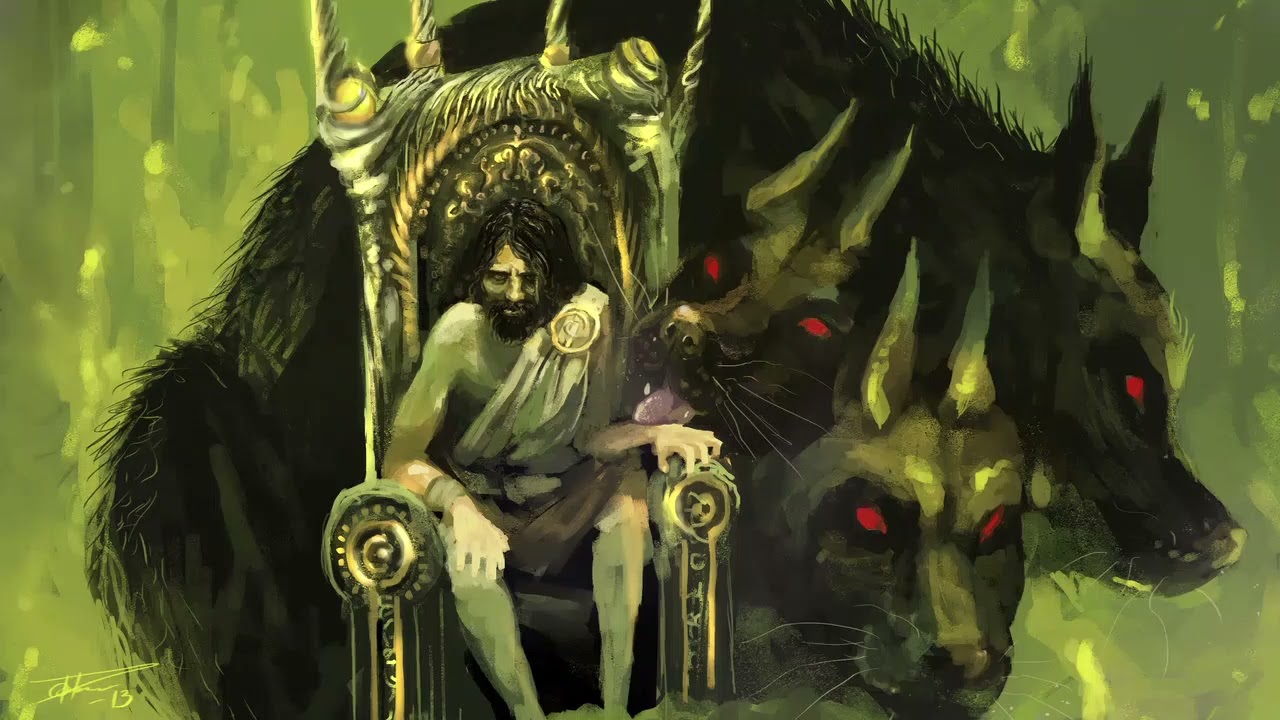
Today, September 17, 2025, the game Hades celebrates its five-year anniversary. We will explore how its fan community, through vivid fan fiction and modifications, has reinterpreted Greek mythology and made it their own.
For many, Greek mythology often boils down to a few familiar figures like Hercules, Zeus, Hades, Poseidon, Athena, and Apollo. Pop culture frequently simplifies this vast world into a handful of archetypes, leaving thousands of lesser-known characters overlooked.
This popular imagination gap is precisely what made Hades, Supergiant Games` 2020 roguelike, so refreshing. Instead of focusing on well-known gods, the game centers Zagreus—an obscure son of Hades. Hades offers a fresh narrative about family, rebellion, and perseverance, told through the eyes of a character with minimal “mythological baggage.” This decision not only breathed new life into Greek mythology for a new audience but also inspired fans to delve deeper into its unexplored corners.
Hades thrives on nuance. Its portrayal of the Greek pantheon is playful, contentious, and profoundly human. Gods bicker like siblings, displaying moments of pettiness and pride. The game reimagines familiar figures while elevating lesser-known ones, weaving a new mythological canon through its roguelike structure. Dying repeatedly isn`t a failure; it`s the core mechanic, mirroring the endless cycles of reincarnation common in ancient tales.
This almost endless cycle of death encouraged players to spend more time in the House of Hades and other underworld realms. A segment of these players even began to augment the Olympian pantheon with their own creations.
For instance, the OlympusExtra mod introduces Apollo, Hestia, Hephaestus, and Hera—gods absent from the core Hades experience. It provides new boons, voice lines, and artwork, crafting stories for each within the context of Zagreus` attempts to escape hell. As mod co-creator physiXPlays noted, OlympusExtra is fully integrated into the game, with the added gods commenting on story progression.
Hundreds of other fans, inspired by Supergiant Games` art style, have created their own depictions of Hera, Hercules, and other Greek mythological figures like Lype and Keres, often taking liberties with traditional descriptions.
The environment in Hades, despite tormentors like Megaera roaming its halls, feels welcoming and vibrant. This homely atmosphere has prompted players to insert their original creations—often extensions of themselves with fantastical art—into the House of Hades. Many regard Supergiant`s interpretations of Dionysus, Aphrodite, and Ares as personal friends.
Hades emerged as one of the most successful indie games of all time. By early 2021, it had sold over a million copies, eventually reaching millions more through releases on nearly every major platform, including Netflix`s mobile app. Critical acclaim was immediate, and in 2021, the game became the first video game ever to win a Hugo Award—one of literature`s highest honors. This recognition was not solely for its gameplay but for its writing, which transformed an underworld escape story into a meditation on grief, resilience, and complex family dynamics.
Five years on, fans continue to battle through the fields of Elysium, striving to reach the surface. Conversations with gods and other figures throughout Hades, including Sisyphus and Achilles, feel remarkably genuine.
Supergiant Games returned to Greek mythology with Hades 2 because there are so many more stories to tell. The team included Apollo and Hestia, fulfilling the long-held dreams of the OlympusExtra creators, alongside dozens of other new characters like Melinoë.
“Like her brother Zagreus from the original game, Melinoë is not a character of our own invention but is based on an ancient Underworld deity thought to be related to Hades,” stated an official development blog from Supergiant Games. “The limited ancient mythology about her was more than enough to make us want to explore her story and connection to her family, thereby expanding our vision of the Underworld.”
In a way, the stories surrounding the gods of Mount Olympus are akin to one of the oldest and best-known family soap operas. Drama, sometimes excessive, lurks around every corner, but the stakes are far higher than anything seen in typical TV series. Kidnappings, secret family members, and even cannibalism fill the chapters of the Greek pantheon.
Hades offered us one of the most accessible and interactive versions of these stories. We continue to see them unfold both in Hades 2 and in the numerous fan additions bringing old and new gods and mortals into this divine family.