



Matthew Cassells, founder of Alderon Games, suggests that Sony faces a significant hurdle in convincing current PlayStation 5 owners to upgrade to the forthcoming PlayStation 6. The transition to the next generation of consoles, he believes, might prove more challenging than commonly anticipated.
Speaking on the Broken Silicon podcast, Cassells highlighted that a substantial portion of the gaming community, estimating 30-40% of his studio’s player base, continues to use the original PlayStation 4. He observed that these players did not perceive a sufficiently compelling leap in quality to justify an upgrade to the PlayStation 5.
For this segment of the audience, Cassells hypothesizes that a direct leap from the PS4 to the PS6 could appear more impactful, potentially offering a generational shift akin to the move from the PS2 to the PS3.
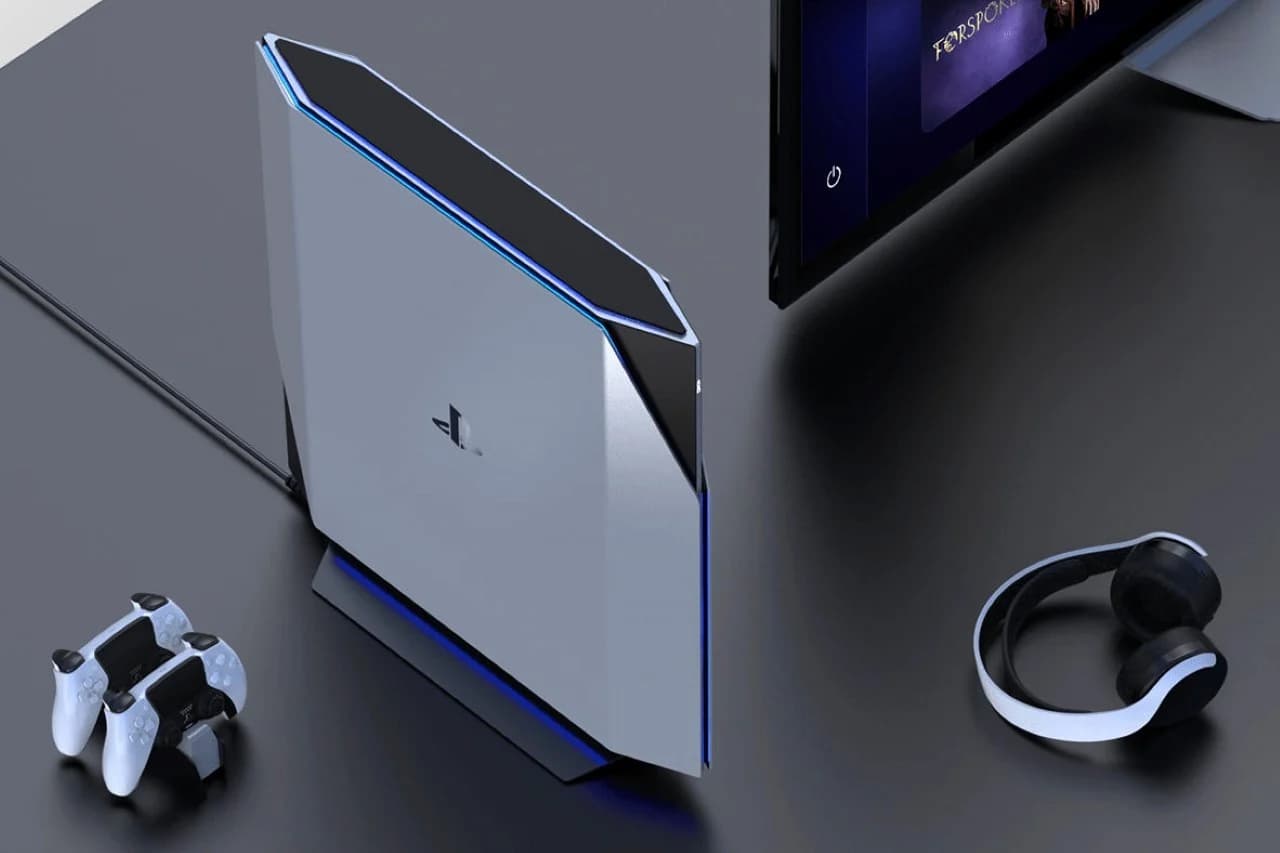
However, the greater challenge, according to Cassells, will be in persuading owners of the current generation. He argues that PlayStation 5 Pro users, for instance, are unlikely to replace their devices solely for incremental improvements like enhanced ray tracing. Even with expected advancements such as more sophisticated ray tracing and upscaling driven by future iterations of PSSR technology, the perceived difference might not be substantial enough to warrant a new console purchase.
To navigate this situation, Cassells suggests Sony will need to employ a flexible strategy. One possible solution could involve an expanded product lineup, potentially including a more accessible portable console. A device priced around $399, offering a tangible increase in quality, could serve as the decisive factor convincing users to “just go ahead and buy it.”
The developer also issued a warning that slow adoption rates for new console generations will negatively impact not only Sony but the entire gaming industry. He referenced the prolonged cross-gen period of the past, which stifled game development by forcing creators to accommodate outdated hardware, such as HDDs. It has taken nearly six years for the industry to gradually move beyond the limitations imposed by the previous generation.