

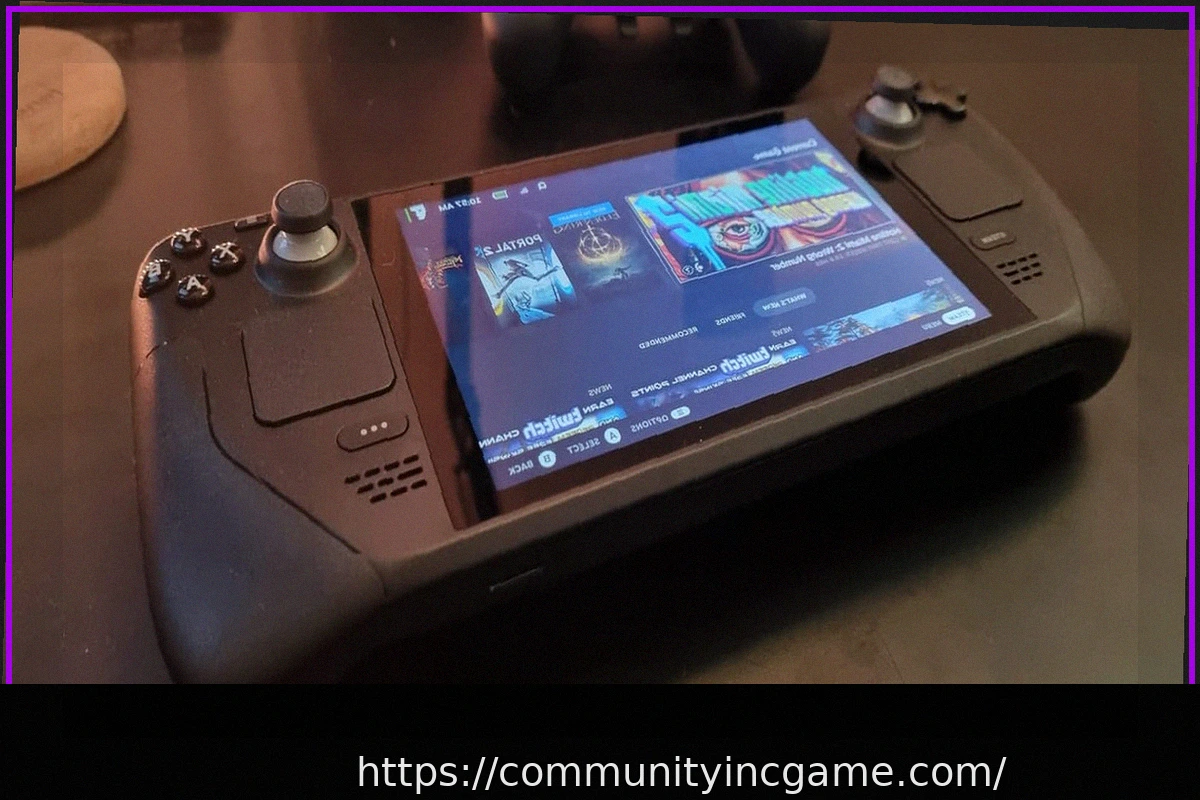
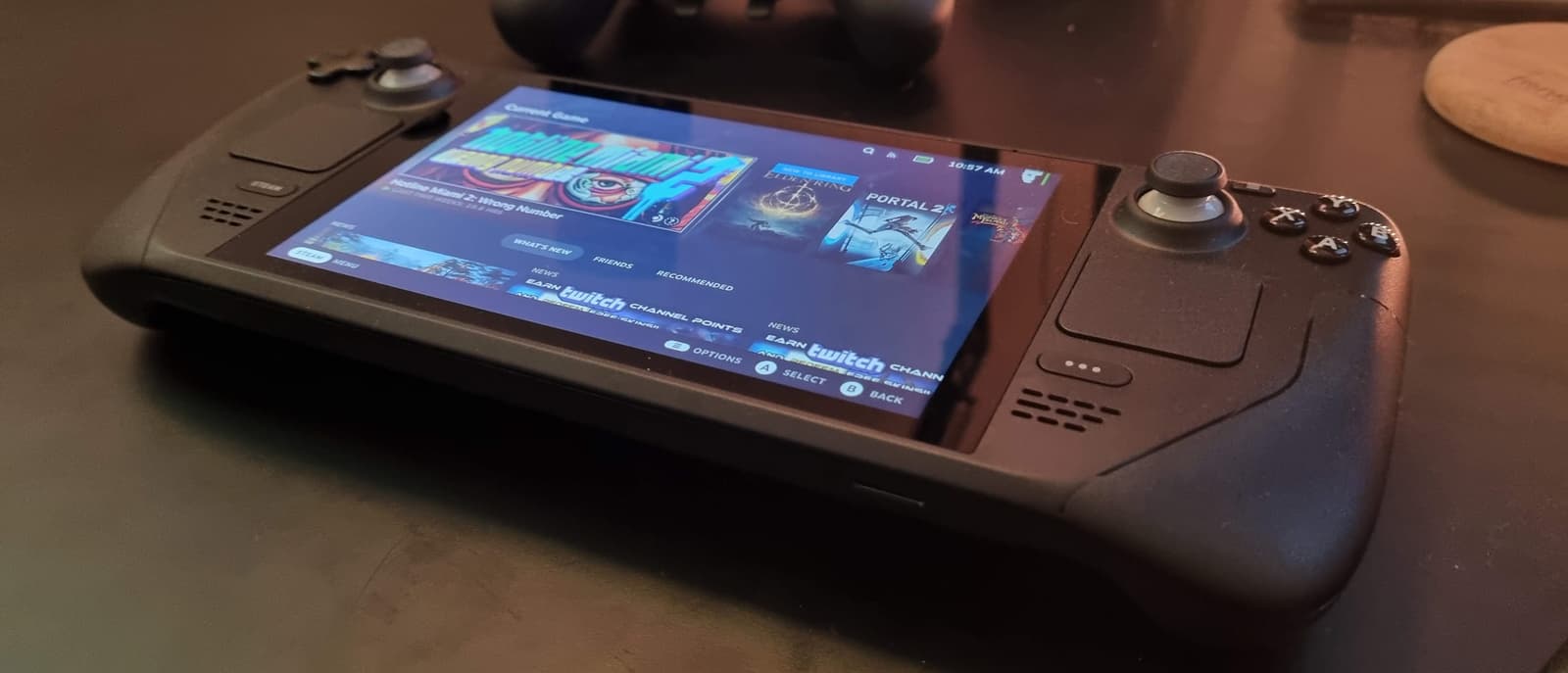
Despite a flourishing market for portable gaming devices and the apparent absence of obstacles for a next-generation release, the Steam Deck 2 is not expected. This article delves into the core reasons behind this decision by Valve and provides a detailed comparison of the original Steam Deck against its current competitors.
While rivals such as the ASUS ROG Ally, MSI Claw, and Lenovo Legion Go continue to emerge, offering advanced specifications and features, Valve appears to be charting a distinct course for the Steam Deck series. We will analyze the factors influencing this strategy, considering market dynamics, technological limitations, and Valve’s broader vision for the future of handheld PC gaming.
By examining the strengths and weaknesses of the existing Steam Deck in relation to these newer challengers, as well as the long-established Nintendo Switch, we aim to offer a comprehensive understanding of why a direct successor might not be in Valve’s immediate plans and what this implies for both consumers and the evolving handheld gaming landscape.