

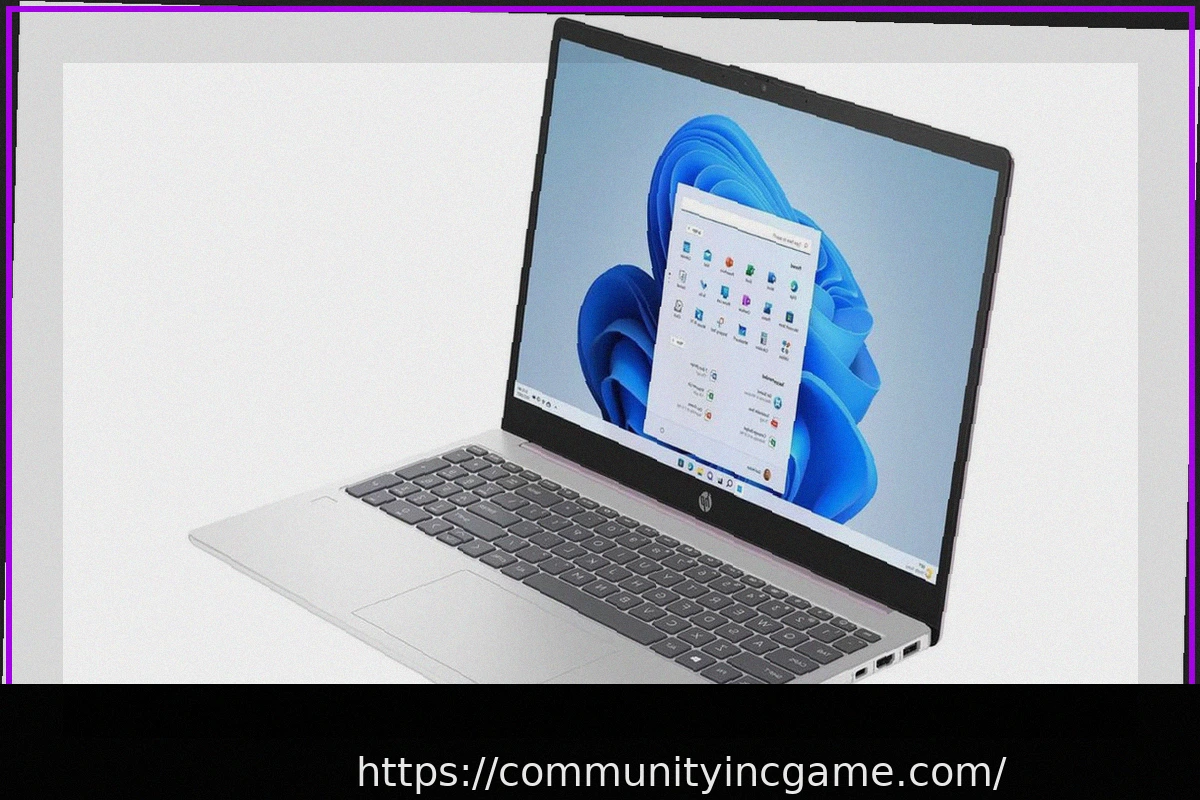
Consumers browsing for new laptops on Amazon might encounter listings that seem too good to be true, particularly regarding storage capacity. A recurring deceptive practice involves advertising a substantial storage amount, such as ‘1.1 TB,’ when the vast majority of this space—often 1 TB—is actually cloud-based storage, not internal local drive space.
The critical detail frequently hidden in fine print is that this cloud storage is typically a promotional offer, valid only for a limited period, often just one year. After this initial period, users are left with only the much smaller local storage (e.g., 100 GB or 128 GB) and must pay a recurring subscription fee to retain access to the cloud storage they initially believed was part of their laptop purchase.
This misleading marketing can cause significant disappointment and unexpected costs for buyers who assume the advertised capacity refers to a permanent, internal hard drive or solid-state drive. For example, while an HP Pavilion laptop might be marketed with generous storage, it’s crucial for shoppers to carefully scrutinize the product details to differentiate between integrated local storage and temporary cloud subscriptions.
To avoid falling victim to such schemes, always:
- Read the full product description: Look beyond the bullet points.
- Identify storage type: Confirm if it’s SSD/HDD (local) or cloud.
- Check subscription terms: Note any trial periods or annual fees for cloud services.
- Verify manufacturer specs: Cross-reference information on the manufacturer’s official website.