

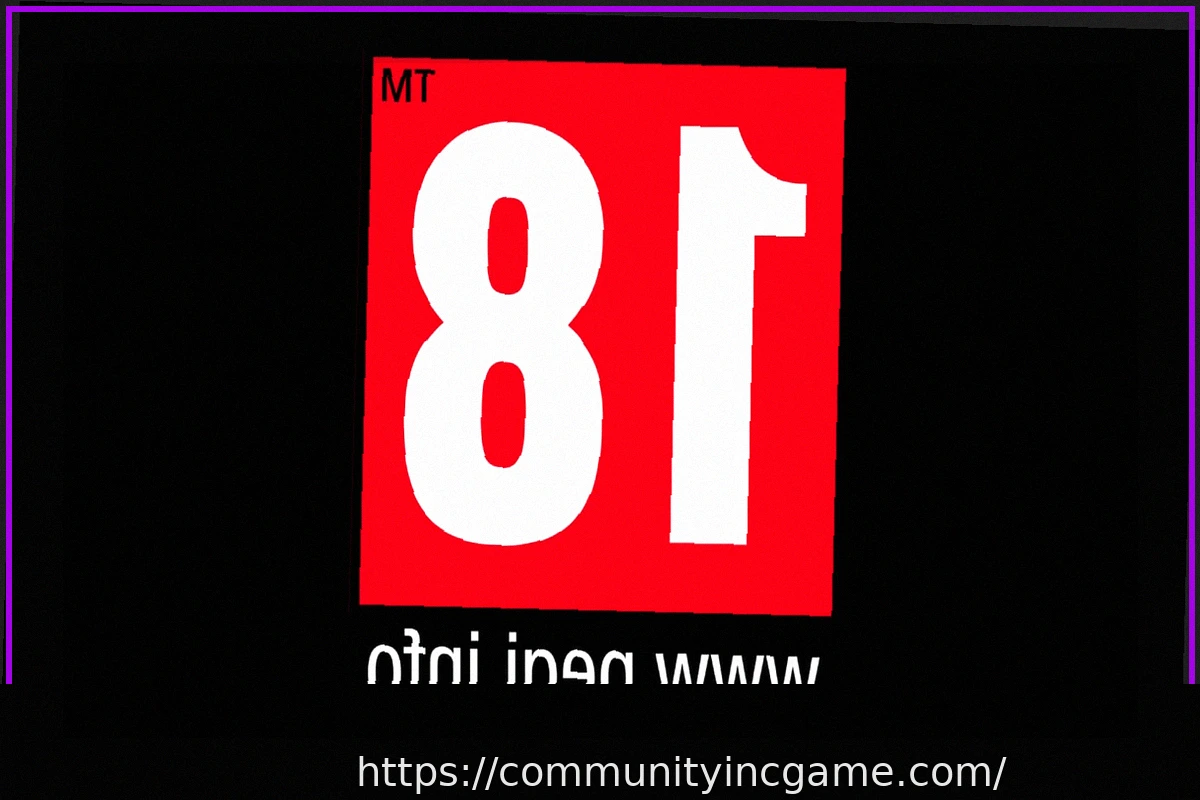
These new regulations will come into effect starting June.
The Pan-European Game Information (PEGI), Europe’s video game age rating system, has announced updated rules for game classification. Beginning in June, games that include paid randomized items—such as loot boxes, card packs, or gacha mechanics—will automatically be assigned a PEGI 16 age rating.
These changes extend beyond just loot boxes, encompassing other prevalent elements of modern gaming services, including in-game purchases, daily login reward systems, and online communication features. The new guidelines will only apply to games submitted for classification from June onwards.
Key Changes:
Paid Randomized Items
- Games featuring paid random rewards (loot boxes, gacha, keys for random items) — PEGI 16
- Social casino games — PEGI 18
In-Game Purchases
- Time-limited or quantity-limited offers (e.g., paid battle passes or countdown timers) — PEGI 12
- If a game includes built-in features that disable spending by default, the rating may be lowered to PEGI 7
- Games involving NFT-related purchases that are essential for gameplay and can be traded within the game will receive PEGI 18
Mechanics Designed to Maximize Playtime
- Systems incentivizing return to play (daily quests, login streaks) — PEGI 7
- Battle passes where rewards become inaccessible if conditions are not met — PEGI 12
- Games where users may lose content or status due to inactivity — also PEGI 12
Online Communication Safety
- In rare instances where a game offers completely unregulated communication without a reporting system or community guidelines, it will be assigned PEGI 18
These updated PEGI rules could result in certain upcoming projects from popular franchises receiving higher age ratings than developers initially anticipated. This, in turn, may impact both game marketing strategies and their accessibility to younger audiences.