

Markus Persson, widely known as Notch and the original visionary behind the immensely popular game Minecraft, recently sparked a notable discussion within the tech and gaming communities. He publicly asserted that NVIDIA’s Deep Learning Super Sampling (DLSS) technology “fundamentally makes no sense.” This provocative statement quickly resonated across social platforms and forums, drawing a swift and varied response.
DLSS is an AI-powered upscaling technology designed to boost graphics performance by rendering games at a lower internal resolution and then using artificial intelligence to reconstruct the image to a higher resolution, often with enhanced detail and impressive framerates. While many users laud its ability to deliver smoother gameplay and superior visuals without heavy hardware upgrades, Notch’s perspective seemingly challenged the underlying principles of such AI-driven rendering.
Following his comments, numerous individuals, including technical experts and avid gamers, took to various platforms to offer counter-arguments and explanations. Many highlighted the practical benefits and the innovative nature of DLSS, pointing out its effectiveness in modern demanding titles. The ensuing discourse underscores a fascinating tension between a purist’s philosophical view on rendering fidelity and the pragmatic, performance-enhancing solutions offered by cutting-edge artificial intelligence in graphical processing.
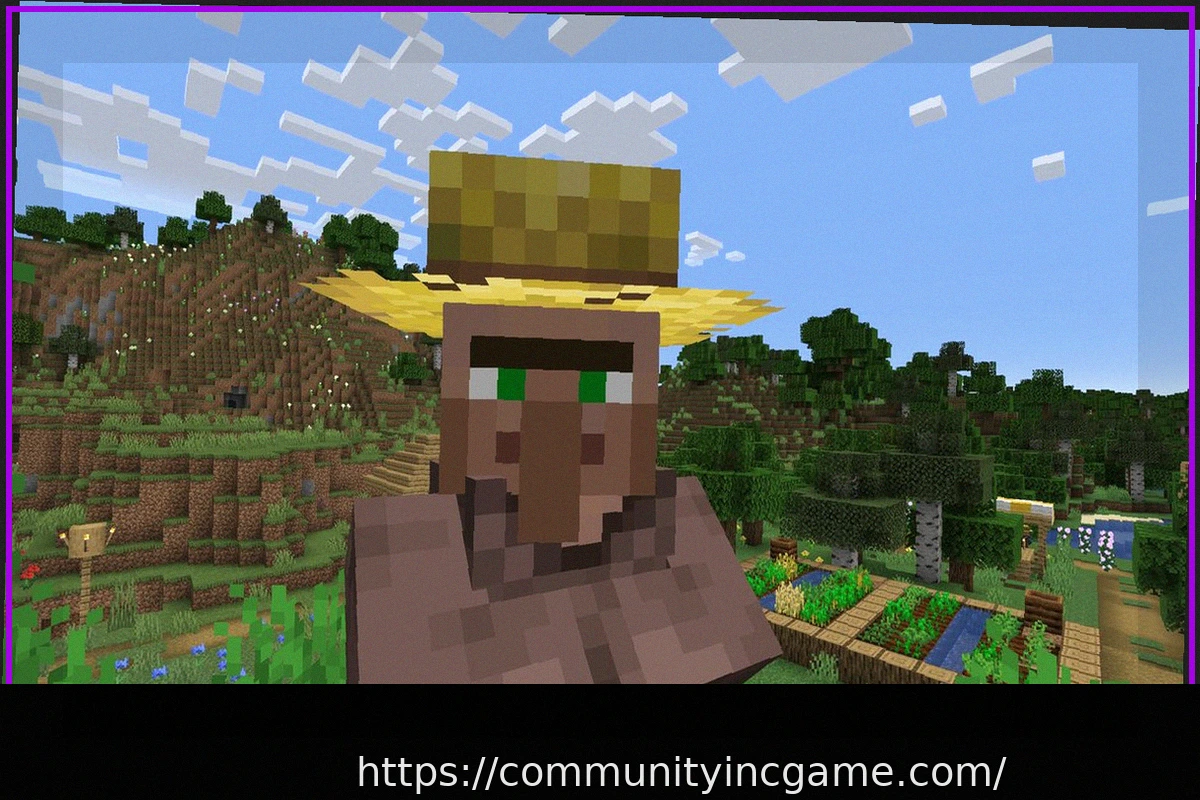
While the initial snippet mentioned “minecraft villager,” the primary context provided by the headline suggests a focus on the broader tech debate initiated by Notch. The discussion about AI upscaling and its implications for game development and player experience remains a lively topic.