

Microsoft is reportedly taking significant steps to address user feedback regarding Windows 11, focusing on enhancing performance and refining its approach to artificial intelligence features. For a while, users have expressed concerns about the operating system’s perceived sluggishness and the often-intrusive integration of AI functionalities.
The company’s commitment to “rolling back” certain AI features suggests a shift towards a more user-centric design philosophy. This could mean a less aggressive integration of tools like Copilot or a re-evaluation of how AI assists users without becoming a burden. The goal appears to be to streamline the user experience, making AI an optional and truly helpful tool rather than a mandatory presence.
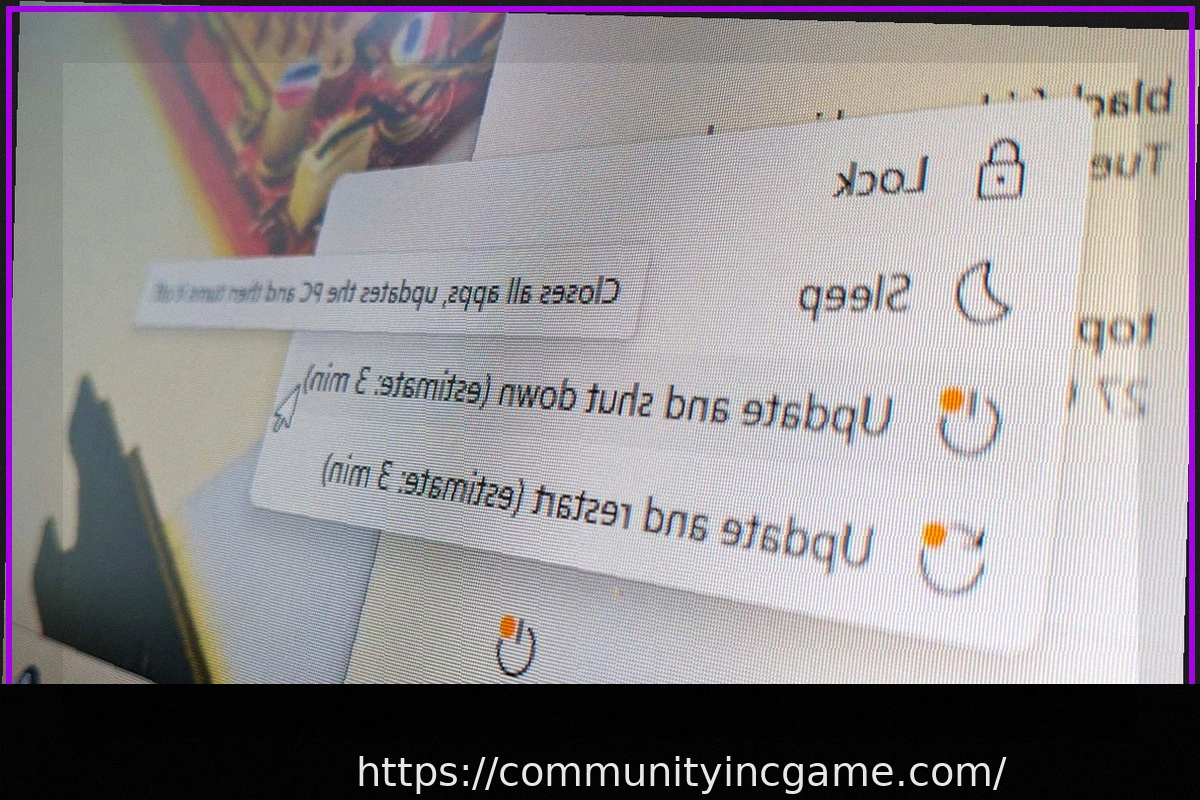
Crucially, Microsoft is also prioritizing performance improvements. This involves optimizing system resources, reducing background processes, and ensuring that the operating system runs more efficiently across a wider range of hardware. A smoother, faster Windows 11 would directly tackle one of the most persistent complaints since its launch. Even seemingly minor interactions, like the responsiveness of the Windows 11 update and shutdown dialogue, could benefit from these widespread optimizations, contributing to an overall more pleasant computing experience. These moves indicate a serious effort by Microsoft to deliver on the promise of a truly ‘good’ Windows 11.