

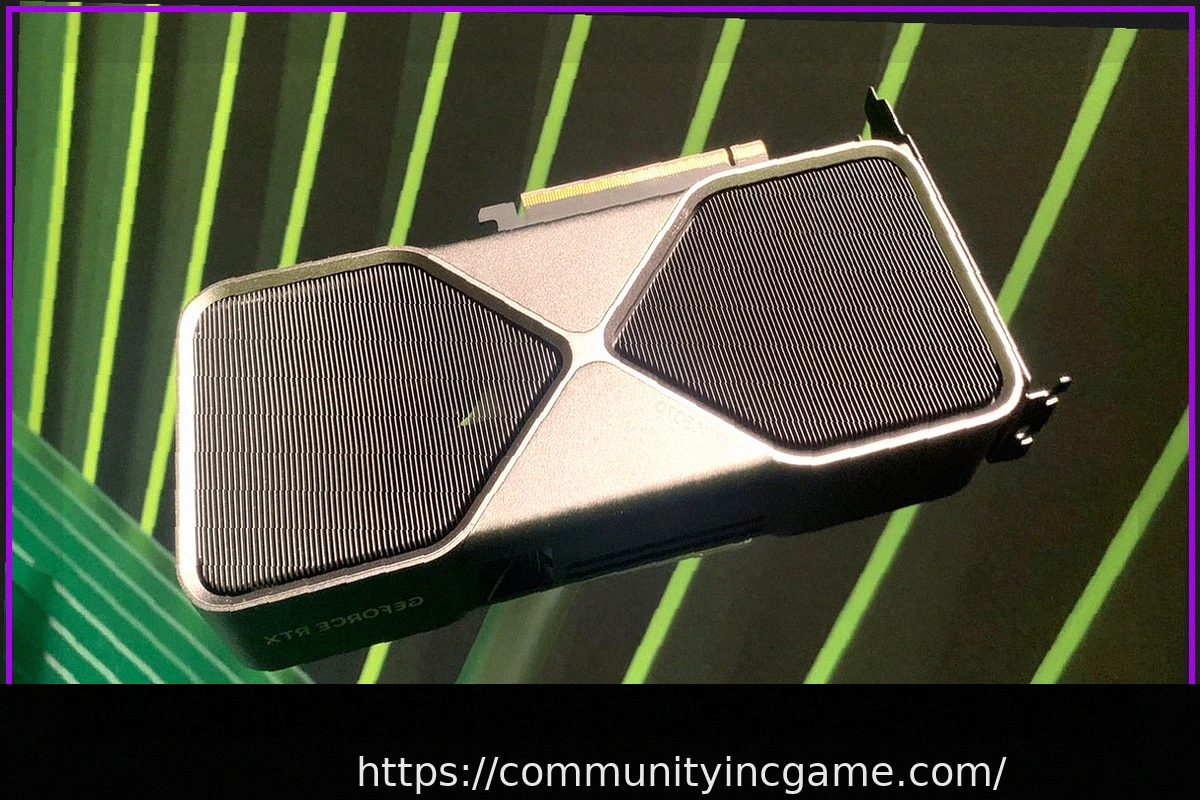

Recent data from Steam indicates an intriguing shift in the PC gaming landscape. Linux has successfully surpassed the 5% player share milestone, while the NVIDIA RTX 5070 graphics card, after experiencing a short-lived surge in popularity, has returned to more typical performance metrics.
According to the Steam Hardware Survey, the proportion of Linux systems among gamers increased by approximately 5%, reaching one of the highest levels in the platform’s history. This serves as another strong indicator that the alternative to Windows, significantly boosted by the Steam Deck and Proton compatibility layer, is systematically gaining significant traction.
Despite Windows retaining its dominant position, the growth of Linux is clearly observable and consistent with a trend that has been apparent for months: an increasing number of players are either experimenting with or transitioning to SteamOS-based systems.
In parallel, the situation within the graphics card market presents an interesting contrast. The RTX 5070, which unexpectedly “shot up” to roughly 9.4% in February 2026, subsequently reverted to approximately 2.7–2.8% in the following survey.
This sharp decline corroborates suspicions that the February result was an anomaly, likely stemming from a unique influx of new users or specific market conditions, rather than representing a genuine increase in hardware sales. Currently, the RTX 5070 remains one of the popular graphics cards, but it no longer holds the market dominance it seemed to command just a month prior.
The comprehensive report illuminates two key insights. Firstly, Linux is demonstrating slow but steady growth within the gaming community. Secondly, even impressive hardware statistics found in such surveys can be fleeting. For the industry, this signals that the future of PC gaming is becoming increasingly diverse, both in terms of operating systems and the underlying hardware.