

Перефразированный текст (русский):
Согласно недавнему прогнозу отрасли, мировой рынок персональных компьютеров ожидает значительный спад: к 2026 году объем продаж снизится на 5%. Это сокращение в первую очередь связывают с неуклонным ростом цен на память, что оказывает огромное давление как на производителей, так и на потребителей.
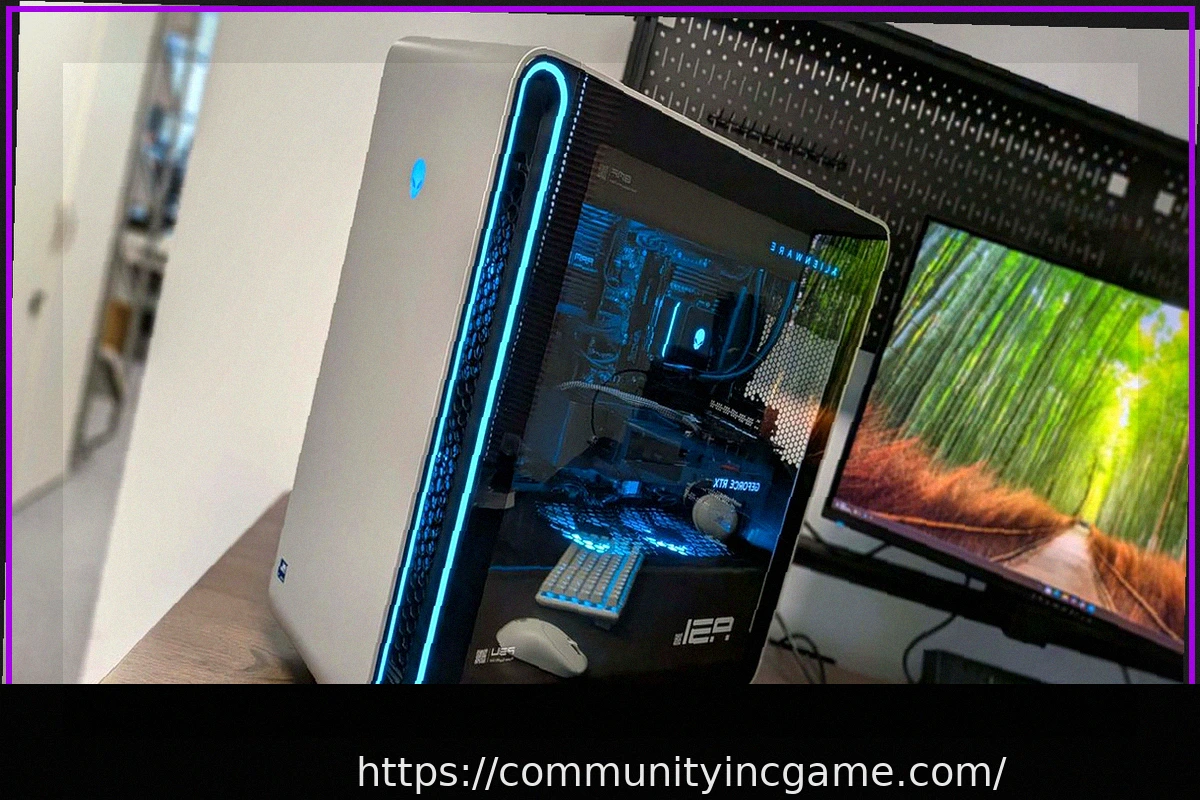
Аналитики указывают, что растущие затраты на такие критически важные компоненты, как оперативная память (DRAM) и флэш-память NAND, делают производство ПК более дорогим. Этот увеличенный расход неизбежно перекладывается на конечного пользователя, что приводит к повышению розничных цен на настольные компьютеры, ноутбуки и даже высокопроизводительные игровые системы, такие как Alienware Area-51. В результате потребители могут отложить обновление или выбрать менее мощные, более доступные альтернативы, что замедлит общий рыночный спрос.
Тенденция к росту цен на память является серьезной проблемой для всей технологической экосистемы. Хотя рынок ПК пережил бум в эпоху удаленной работы, вызванной пандемией, с тех пор он столкнулся с трудностями. Текущий прогноз предполагает, что стоимость памяти будет оставаться значительным препятствием, потенциально сдерживая инновации и влияя на доступность новых технологий в течение многих лет. Производители борются с более жесткими маржами, что вынуждает их пересматривать ценовые стратегии и потенциально откладывать выпуск новых продуктов. Отрасли необходимо будет найти устойчивые решения для смягчения этих растущих затрат на компоненты, чтобы предотвратить дальнейшую эрозию рынка.
Rephrased Text (English):
A recent industry forecast predicts a significant downturn in the global personal computer market, with sales projected to dip by 5% by the year 2026. This contraction is primarily attributed to the relentless rise in memory prices, which are putting immense pressure on both manufacturers and consumers.
Analysts indicate that the escalating costs of crucial components like DRAM and NAND flash memory are making PC production more expensive. This increased cost is inevitably passed on to the end-user, leading to higher retail prices for desktops, laptops, and even high-performance gaming rigs such as the Alienware Area-51. As a result, consumers may postpone upgrades or opt for less powerful, more affordable alternatives, thereby slowing down overall market demand.
The trend of spiraling memory prices is a critical concern for the entire tech ecosystem. While the PC market saw a surge during the pandemic-driven work-from-home era, it has since faced challenges. The current forecast suggests that memory costs will continue to be a significant headwind, potentially stifling innovation and impacting the affordability of new technologies for years to come. Manufacturers are grappling with tighter margins, forcing them to re-evaluate pricing strategies and potentially delay new product introductions. The industry will need to find sustainable solutions to mitigate these rising component costs to prevent further market erosion.