

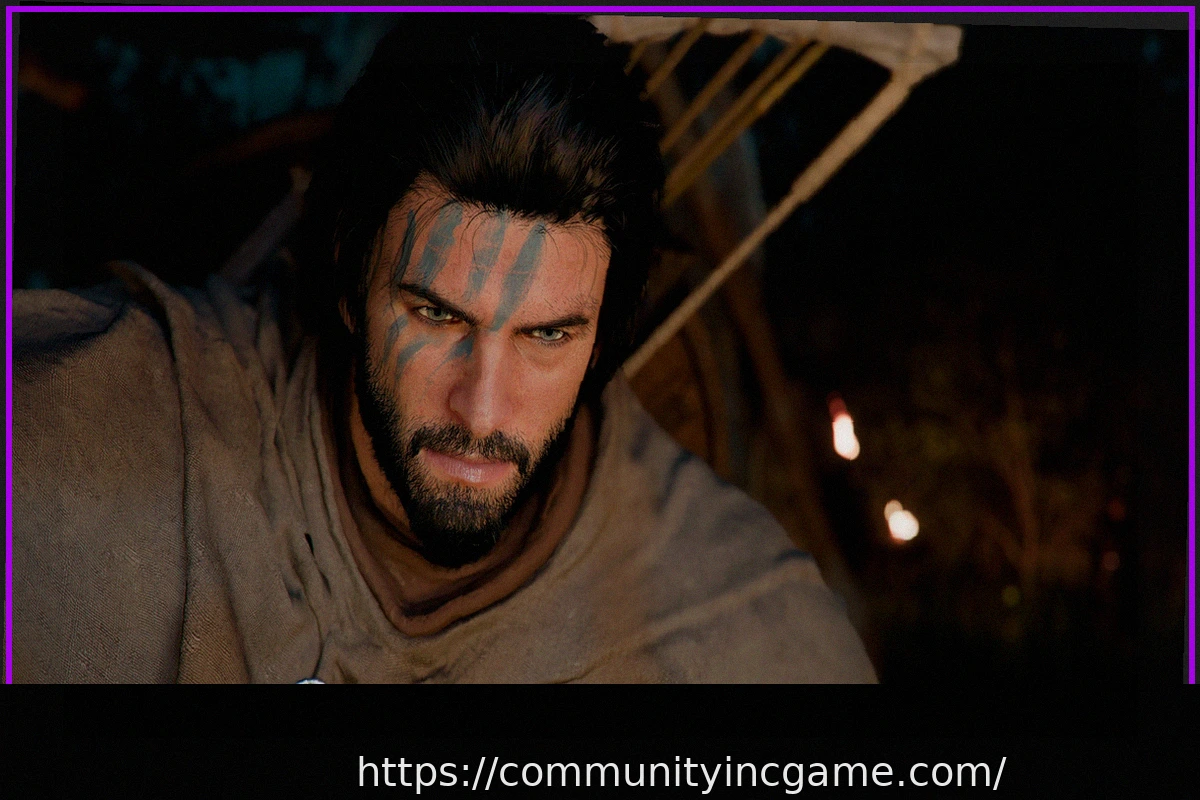
A peculiar narrative began circulating about Crimson Desert following its initial reviews: many suggested it was a disappointment. The game’s respectable 78 Metacritic score was cited as proof, implying that only universal acclaim could signify true greatness. This aggregated score quickly became a weapon for anxious investors, leading to a nearly 30% drop in Pearl Abyss’s share price. This wasn’t because the game was bad; rather, in the volatile world of speculative investments, anything less than 90+ scores signals trouble.
When the story about the plummeting share price broke, it became the prevailing narrative. Various outlets framed it as a reaction to “disappointing reviews,” or even claimed the game was “all style and no substance,” or that “enthusiasm may have waned.” These claims were far from the truth, as reviews were not “middling” and enthusiasm was clearly present.
Witnessing this unfold was frustrating because it was clearly baseless. Both the share price and the game’s initial “Mixed” status on Steam were treated as unchangeable truths, despite their inherent volatility. Investors are notoriously cautious, and early user reviews are often knee-jerk reactions. Moreover, Crimson Desert is a massive, eccentric game with grand ambitions, destined to be at least somewhat divisive at launch. Yet, it has utterly dominated gaming discussions since its release, proving its fascinating appeal and inevitable success.
Just days after the initial doomsaying, Crimson Desert achieved “Very Positive” status on Steam, and Pearl Abyss announced it had already sold 3 million copies. Unsurprisingly, Pearl Abyss’s shares have since climbed by 26%. This overwhelmingly positive reception shouldn’t surprise anyone, especially PC gamers. We have always embraced the unconventional and the ambitious—RPGs with rough edges and grand visions, like Planescape: Torment, Morrowind, or Kingdom Come: Deliverance. Crimson Desert fits right into this cherished tradition.
The gaming industry often chases trends, leading to a homogenized and often dull landscape of roguelike deckbuilders and extraction shooters. While developing a game is a monumental risk, opting for something truly unique is a brave departure. That’s why a title like Crimson Desert is such a breath of fresh air. It is, undeniably, an open-world RPG, one of the most oversaturated genres. Yet, much like Kingdom Come: Deliverance, it feels crafted by passionate individuals rather than a corporate committee. Even when it adheres to established trends, it does so in ways that are surprising and, at times, boldly unconventional.
Even when it’s following safe trends, it does so in a way that is surprising, and sometimes even abrasive.
Crimson Desert is brimming with bold ideas, many of which might seem like follies on paper. More such follies are needed in gaming, as they offer far more excitement than well-trodden paths. The game even carves its own path in minor details, such as how players interact with the world. You can approach people or objects and simply press a button to interact. Alternatively, you can point at them and then press the button, which sometimes reveals new interactions or performs the same action with added precision. This might seem needlessly complex, and often it is. However, it also allows for greater accuracy in interaction. More importantly, it reveals the unique human touch behind the game’s design—a bizarre decision someone made and committed to throughout development, and one that is surprisingly endearing.
A similar mechanic enables precision jumps, initially appearing as another layer of granular control, but proving invaluable during light platforming sections where it helps prevent missed jumps. It’s truly ingenious. And before long, players gain the ability to transform into a bird-man, soaring across the landscape, a reward for solving puzzles on mysterious sky islands. Why are you on these sky islands when you’re still grasping the game’s fundamentals? The game offers no clear explanation, yet the experience is captivating.
So much about this game defies easy understanding. Nearly every main quest points you to a random location with almost no context. Then you simply “do a thing.” Sometimes it’s exhilarating, like turning into a bird; other times, it involves mundane tasks like cleaning a chimney for a lazy man squabbling with his wife. The “why” remains elusive, yet the player is left equally fascinated and bewildered.
Crimson Desert is the personification of my ADHD.
A typical day in the game’s world might involve chasing a thief, doing chores for a stranger, taming a horse, flying through the air, battling bandits, and engaging in an archery competition—all in dizzyingly quick succession. Then, without warning, you might spend twenty minutes meticulously trying to befriend an animal. It’s like a hyper-exciting version of life itself, and the thrill of being swept along this unpredictable ride is immense. You never truly know what’s coming next, or why you’re even doing it.
It is exceptionally rare for a game of this magnitude, with such significant investment, to embrace such eccentricities. This represents a monumental gamble. We typically expect our blockbuster games to offer smooth, frictionless power fantasies and intuitive design with extensive tutorials. While this approach is perfectly valid—gaming should be enjoyable, not a chore—it’s absolutely delightful that Crimson Desert dares to experiment with so many diverse ideas. Not all of them land perfectly, but they are consistently interesting.
This is why there’s a slight concern regarding the tweaks and fixes Pearl Abyss has promised. While practical additions like proper camp storage and logical fast travel points are welcome, it’s crucial that the studio doesn’t strip away all the game’s unique, quirky characteristics. Especially since players are, by and large, genuinely enjoying the experience! Minor quality-of-life adjustments are fine, but the core, wonderfully chaotic formula should largely remain untouched.
Now, it’s time to return to the game; a mischievous criminal needs to be handed over, payment secured, and then it’s off to whatever new adventure awaits. Or, more realistically, there was a charming puppy spotted earlier, and the rest of the afternoon might just be spent ritually petting it until it becomes a loyal companion.