

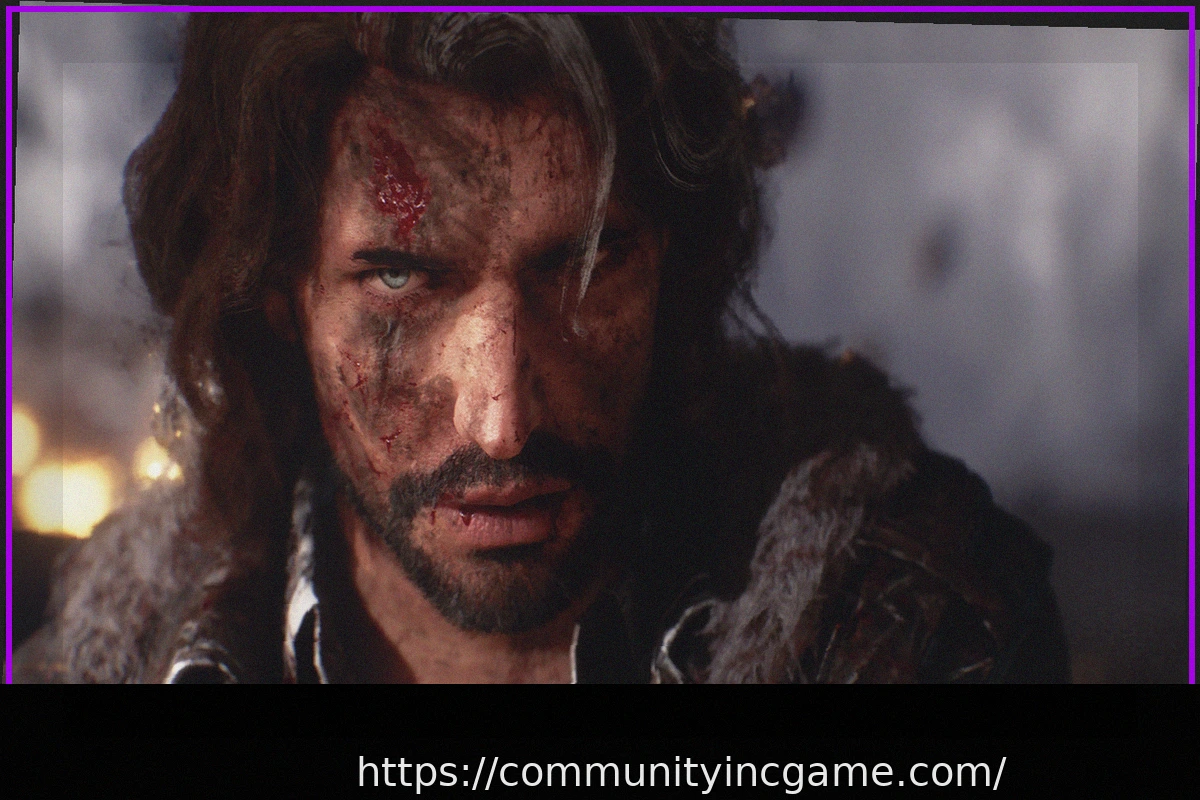
I often find myself paralyzed by indecision, especially in video games, a trait that Clair Obscur: Expedition 33‘s complex endings tested to its limits. This game presents players with two distinct conclusions, loosely categorized as either the “Maelle” or “Verso” path. Crucially, neither is presented as a straightforward “good” or “bad” outcome, each carrying its own set of advantages and disadvantages.
Choosing to side with Maelle in the final confrontation allows the group to survive, but at the cost of their free will, leaving Maelle in a significantly compromised state. Conversely, opting for Verso results in a more emotionally satisfying resolution, though it tragically means bidding farewell to most of the beloved characters players have grown attached to throughout the journey. The game ensures that no matter the decision, the player faces a morally ambiguous and challenging outcome.
Adding to this complexity, Jennifer Svedberg-Yen, a writer at Sandfall Interactive, confirmed that Expedition 33 deliberately avoids establishing a single canon ending. She aptly describes this design choice as a “Schrodinger’s ending,” emphasizing that the development team never intended to offer a truly happy or definitive conclusion. Svedberg-Yen noted that while one ending might carry a slightly more hopeful tone and the other a darker one, both are equally valid from a narrative standpoint. She explained that the perceived “goodness” or “happiness” of an ending ultimately hinges on the player’s personal priorities – whose perspective or “happily-ever-after” they choose to value most.