

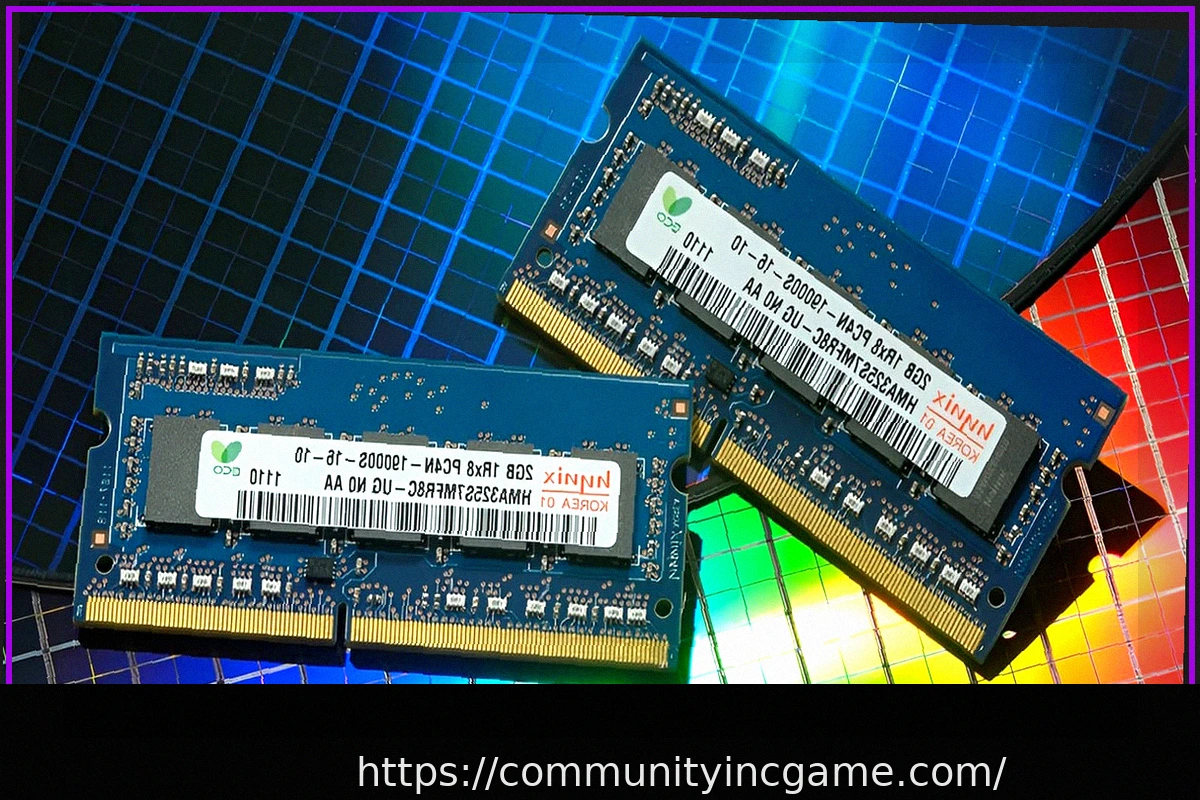
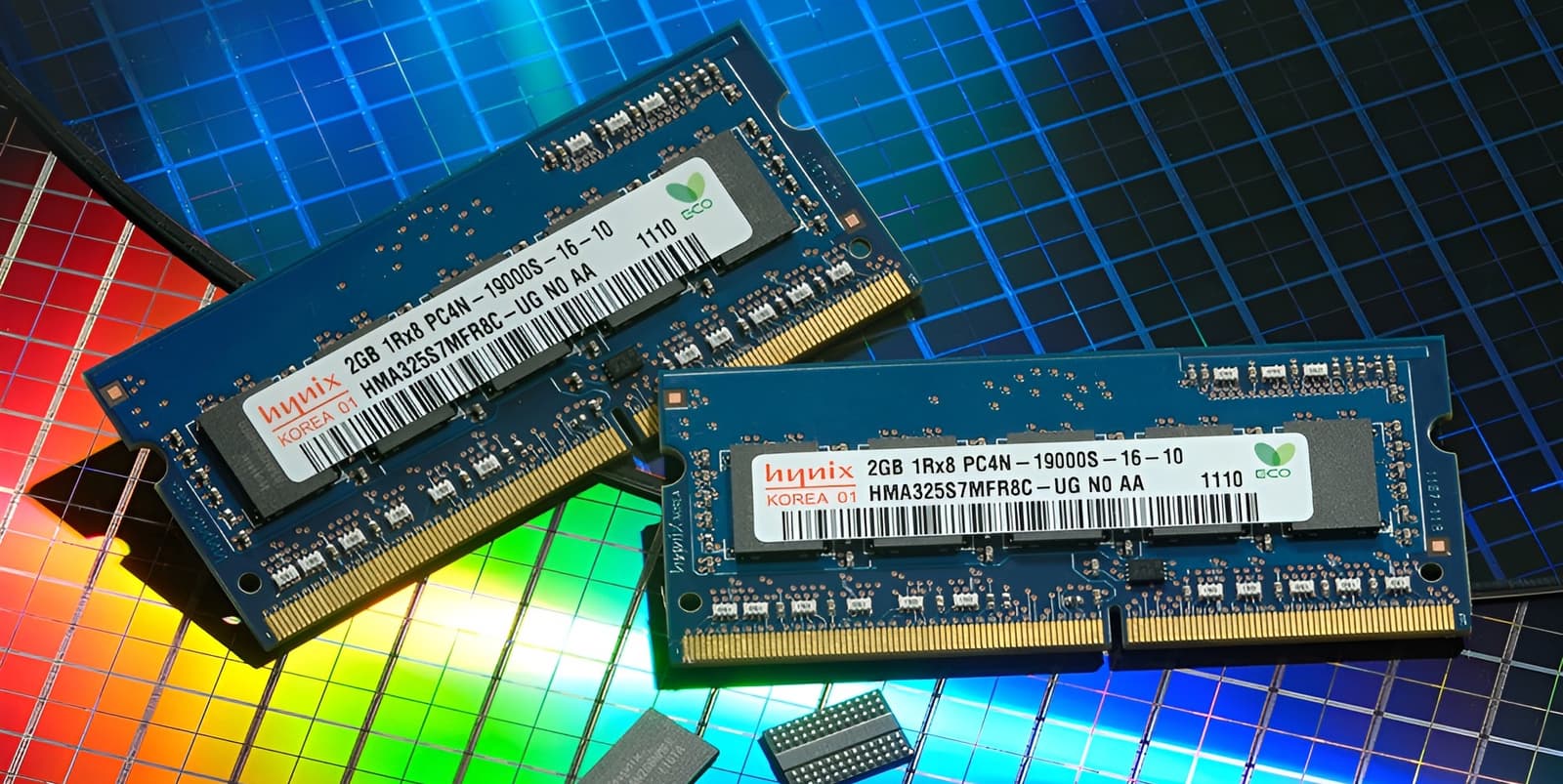
Memory product prices have surged by over 180% recently, and market analysts do not foresee any immediate price reductions for RAM. The broader market stability remains highly uncertain, with no signs of normalization on the horizon.
According to Counterpoint Research, the global memory chip shortage could extend until at least the second half of 2027, and the timeline for overall market normalization remains undefined.
Experts note that predicting the end of this deficit largely depends on analyzing demand dynamics. Currently, the market is experiencing an unprecedented surge in memory requirements, primarily driven by the extensive development of infrastructure for artificial intelligence. The rapid pace of AI solution deployment is continuously boosting demand, making a decrease in memory consumption highly unlikely in the coming years.
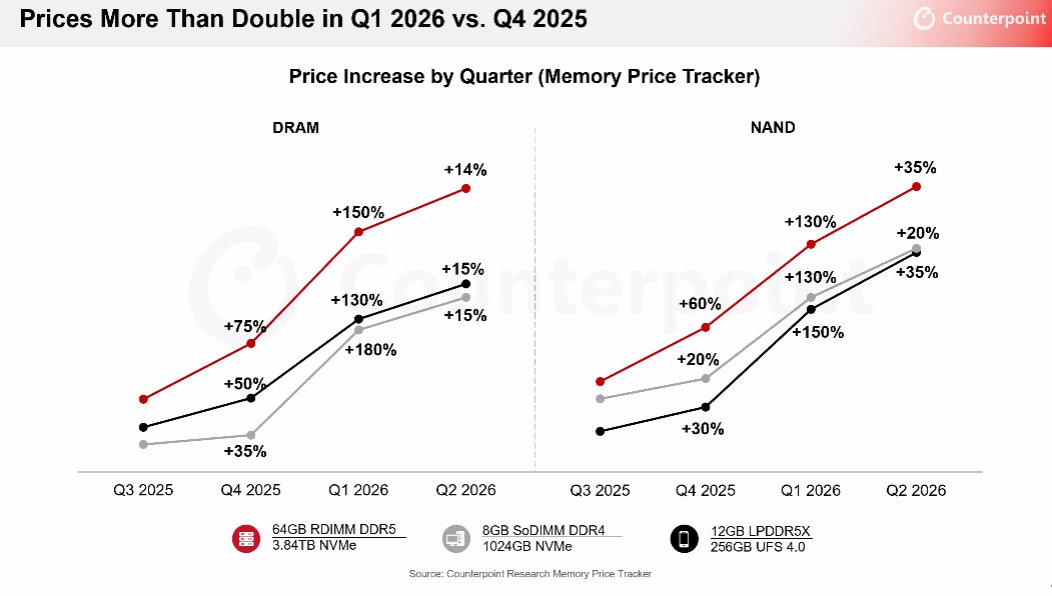
The research indicates that the recent more than 180% increase in memory product prices underscores a severe imbalance between supply and demand in the market.
One of the main factors driving the escalating demand for DRAM is the activity of major cloud operators, often referred to as hyperscalers. These companies are not only acquiring cutting-edge memory technologies but also older solutions, including DDR4 modules, which continue to be actively utilized in server infrastructure.
Analysts emphasize that the future market situation will largely depend on how quickly memory manufacturers can increase their production volumes. If manufacturing growth fails to keep pace with the rapid expansion of AI infrastructure, the chip shortage could persist well beyond 2027.