

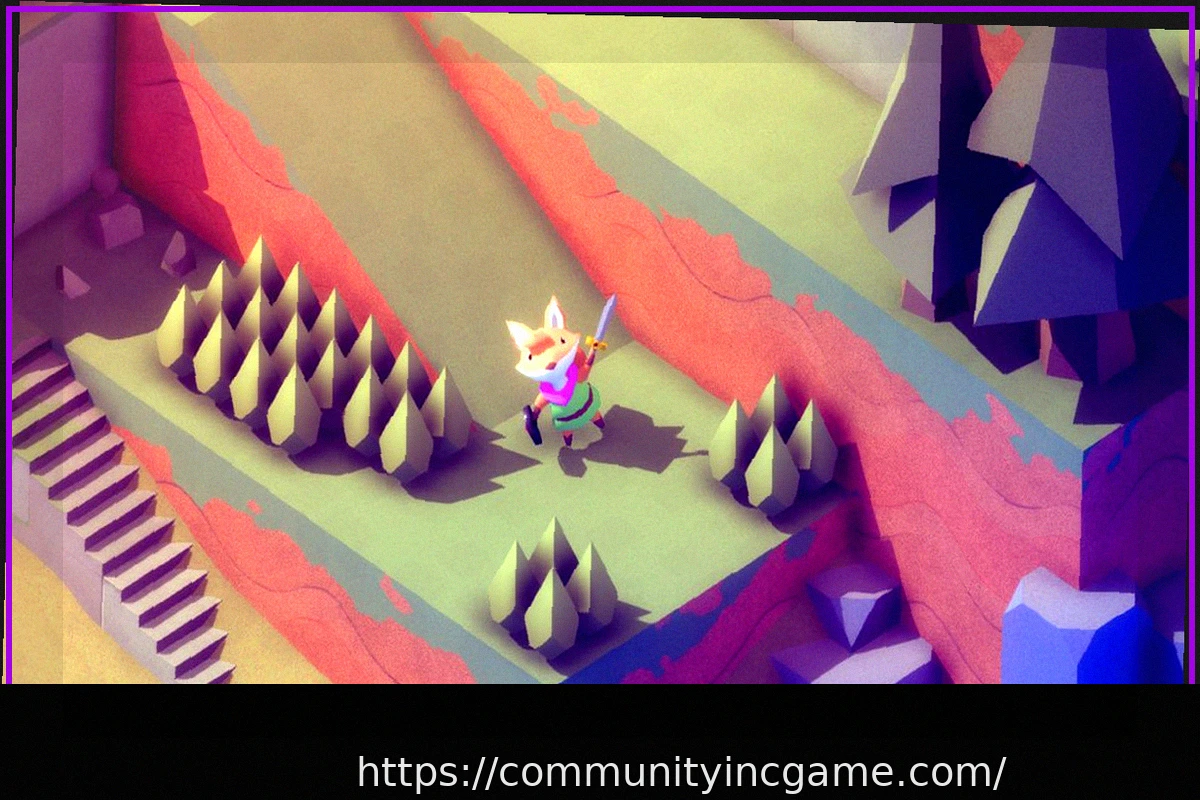
The landscape of independent game development presents a stark dichotomy between the aspirations of creators and the financial realities of the industry. A recent statement from the publisher behind the acclaimed title Tunic highlights this paradox, noting that a request for $250,000 from an indie developer is perceived as “a drop in the bucket” from their perspective. This casual dismissal of what for many developers would be life-changing capital underscores the vast gulf between major industry players and the independent scene.
For a large publisher, a quarter-million dollars might indeed represent a minimal outlay compared to the multi-million dollar budgets allocated for AAA titles or even substantial marketing campaigns. This perception reflects an operational scale where such an amount barely registers as a significant investment. It suggests that major entities are accustomed to dealing with figures far exceeding this, making smaller sums seem almost negligible in their overall financial planning.
However, this outlook starkly contrasts with the precarious position of many indie studios. The independent development sector is increasingly characterized as a “survival” era. Despite the boom in digital distribution and accessible development tools, securing adequate funding remains a critical bottleneck. Indies face intense competition, escalating development costs, and the formidable challenge of achieving visibility in an oversaturated market. Many projects with immense creative potential languish due to a lack of financial support.
The crux of the issue lies in the perception of profitability. Companies, particularly those with a focus on substantial returns, often view investments in smaller indie projects through a lens that deems them “not profitable enough.” Even if the initial capital outlay is a “drop in the bucket,” the potential return on investment (ROI) from a $250,000 funded indie title might not meet the stringent profit margins or scalability expectations of larger corporations. These entities prioritize ventures that promise significantly higher, more predictable, or more easily managed returns, leading them to shy away from projects with perceived lower profitability or higher risk-to-reward ratios.
This creates a challenging environment where indie developers are caught between the minimal financial needs that could launch their dreams and the substantial profitability thresholds demanded by potential funders. While $250,000 could fully fund a small team for a year, cover essential development tools, or provide crucial marketing leverage, the gatekeepers of industry capital often fail to see the larger profitable picture that these smaller, often innovative, investments could foster. Ultimately, the struggle for indie survival continues, exacerbated by a funding model that too often undervalues their contributions in favor of grander, albeit often riskier, financial gambles.